Ouch! Why Your Nails Hurt After Acrylic
You just left the salon, nails looking absolutely snatched, ready to conquer the world one perfectly manicured gesture at a time. Then, a few hours later, or maybe even the next day, a dull ache starts. Or perhaps a sharp, throbbing pain. What gives? Your gorgeous new acrylics are suddenly feeling less like a fashion statement and more like tiny torture devices.
The Prep Work Pain Train: When Good Intentions Go Bad
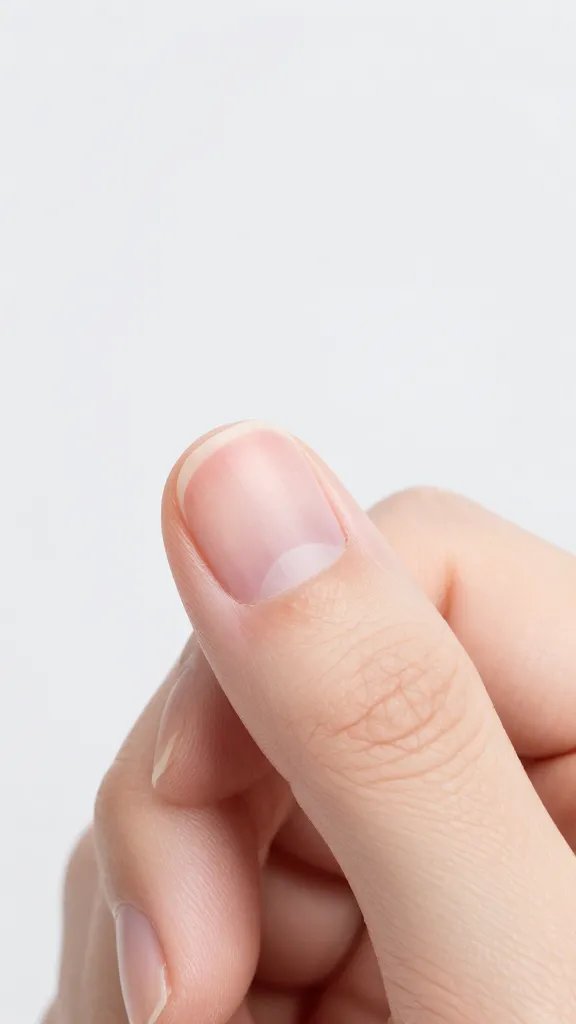
Before those fabulous acrylics even touch your nails, there’s a whole lot of action happening. We’re talking filing, buffing, pushing back cuticles – a process that, when done correctly, preps your nail for optimal adhesion. But sometimes, things get a little… aggressive.
Imagine your natural nail as a delicate canvas. When a tech gets a bit too enthusiastic with the file, they can actually thin out your nail plate. This isn’t just uncomfortable; it makes your nails super sensitive to pressure and even temperature changes. Plus, rough cuticle work can lead to tiny nicks, opening the door for irritation. Ouch.
Over-Filing: The Silent Killer
Think of your nail plate like a stack of pancakes. Each layer contributes to its strength and protection. When a nail technician over-files, they’re essentially scraping off those top layers. This makes your nails thinner, weaker, and incredibly vulnerable. Ever notice that burning sensation during filing? That’s not just friction; it could be your nail plate protesting.
A good tech aims to remove just the shine, creating a slightly rough surface for the acrylic to bond to. An overzealous one, however, can leave you with nails so thin they feel like paper. This leaves the sensitive nail bed underneath exposed, leading to that post-application soreness. It’s like getting a sunburn on your fingertips, IMO.
Chemical Shenanigans and Allergic Reactions
Acrylics aren’t just pretty plastic; they’re a chemical reaction in real-time. The liquid monomer mixes with the powdered polymer, creating that magical, moldable bead. This process, while cool, isn’t always perfectly smooth sailing for your nails.
Sometimes, your body just doesn’t vibe with certain chemicals. Allergic reactions to ingredients in the monomer or primer can cause redness, itching, swelling, and yes, pain. It might not be immediate, sometimes taking a day or two to fully manifest. Always speak up if something feels off during the process!
The Heat Spike – It’s a Real Thing!
Remember that chemical reaction we talked about? Well, it’s an exothermic reaction, meaning it generates heat. When the acrylic cures, it can create a noticeable heat spike on your nail plate. For some, especially those with thinner nails or sensitive skin, this can be downright painful.
It’s usually a fleeting sensation, but if the acrylic is applied too thick, too quickly, or if your nails are already compromised, that heat can feel like a mini-inferno. It’s your nail plate literally feeling the burn. If it’s too hot to handle, don’t be shy – pull your hand out of the lamp or speak up! Your comfort is paramount.
Heavy Lifting: The Weight of the World (on Your Nails)
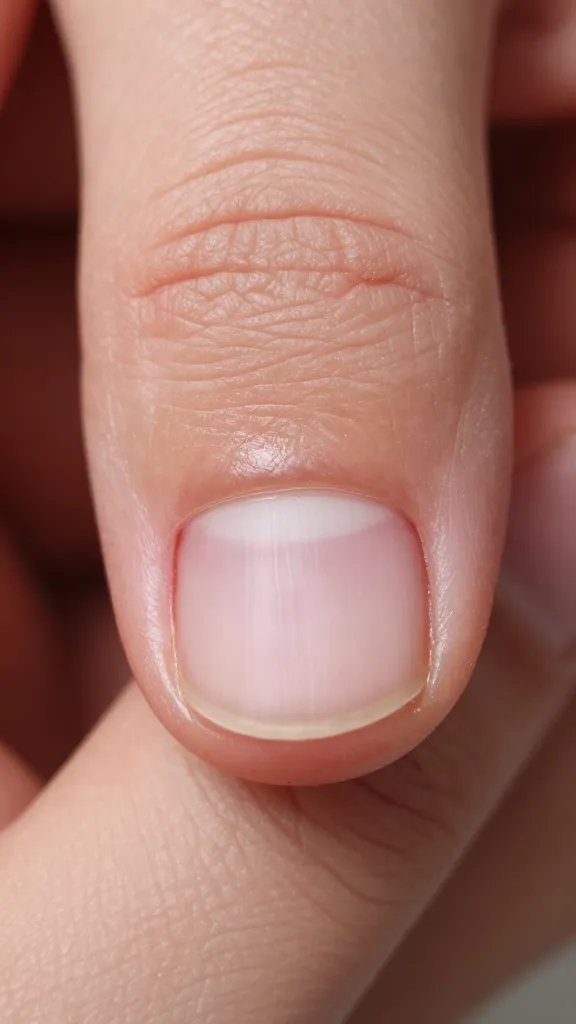
Let’s be real, acrylics add bulk. They’re thicker and harder than your natural nails, which is part of their appeal for strength and durability. But this added weight and rigidity can put a surprising amount of stress on your delicate nail beds.
Imagine carrying a heavy backpack all day. Your shoulders eventually start to ache, right? Your nails can experience something similar. The constant pressure from the acrylic, especially if it’s applied very thick or extended far past your natural nail, can cause micro-trauma to the nail plate and the underlying tissue. This persistent pressure can lead to a dull, throbbing ache that just won’t quit.
The Art of the (Bad) Application
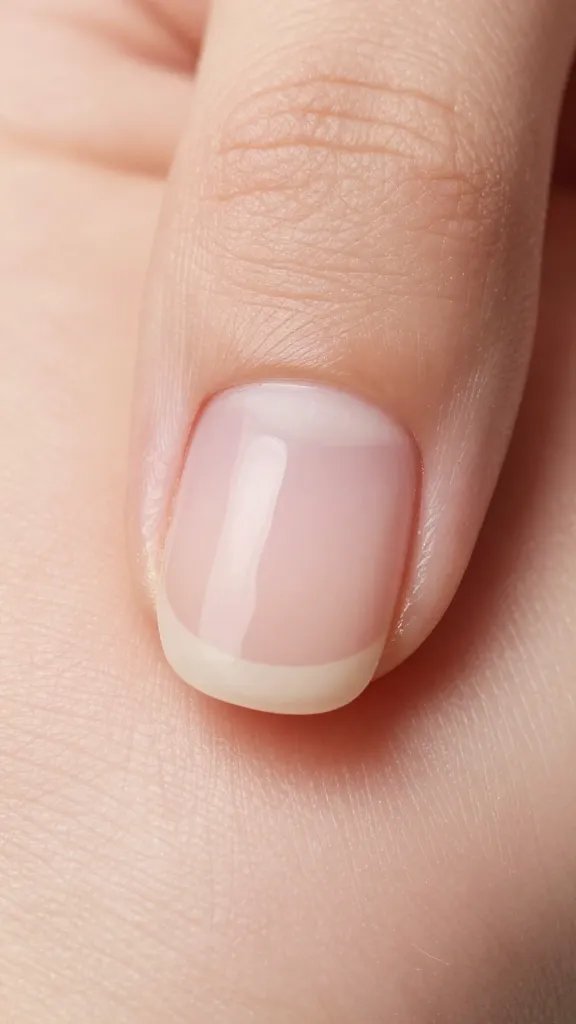
Acrylic application is an art, not a science experiment you perform with a blindfold on. A skilled technician knows how to apply the product evenly, ensuring proper adhesion and minimal stress on your natural nail. But a less-than-stellar application? That’s a recipe for discomfort.
Lifting, air bubbles, or an uneven application can create pressure points on your nail. When acrylic lifts, moisture can get trapped underneath, creating a breeding ground for bacteria and fungi – which, FYI, are definitely going to cause pain and potentially infection. Plus, if the acrylic isn’t properly balanced, it can pull on your natural nail, causing tiny tears or even separation from the nail bed. Not fun.
Post-Removal Trauma: The Aftermath
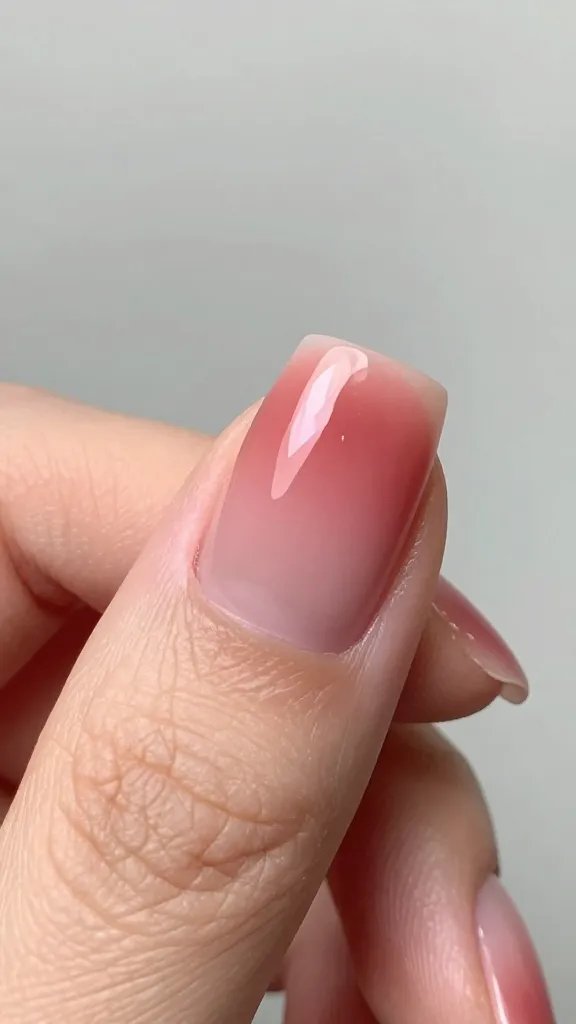
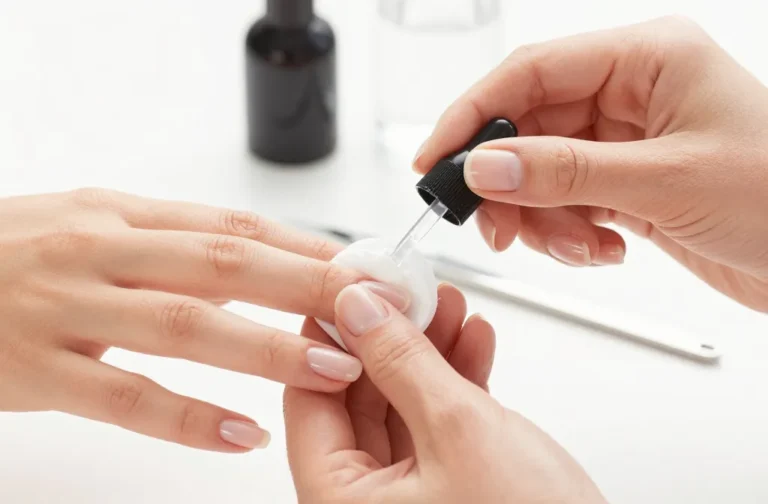
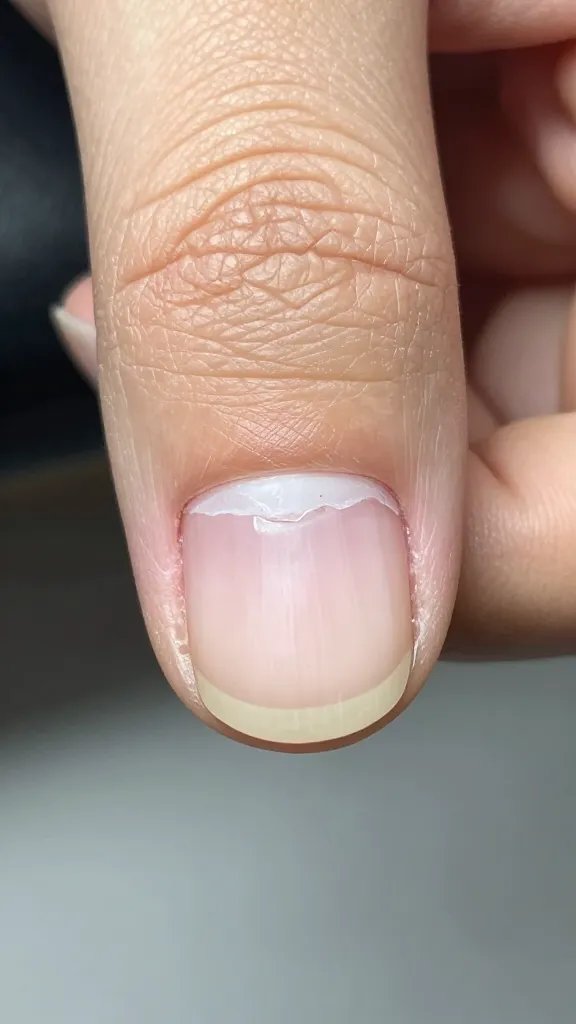
Sometimes, the pain isn’t from the application itself, but from what happens when those beautiful extensions come off. Improper removal is, hands down, one of the biggest culprits for post-acrylic pain. Peeling, prying, or forcibly ripping off acrylics is a huge no-no. It literally tears off layers of your natural nail along with the product.
This leaves your nails thin, brittle, and incredibly sensitive. They feel naked, vulnerable, and often quite sore. It’s like ripping off a bandage that’s stuck to your skin – but imagine that skin is your nail plate. The damage can extend to the nail bed itself, leading to prolonged tenderness and weakness.
The Stripped-Down Truth: Why Your Nails Feel Naked and Vulnerable
When your nails are stripped of their protective layers due to aggressive removal, they lose their natural defense. The result? A sensation akin to having a raw nerve exposed. Every tap, every bump, every temperature change can send a jolt of pain.
This isn’t just a temporary inconvenience. Repeated improper removal can lead to permanent thinning, ridging, and even damage to the nail matrix, which is where your new nail cells are born. So, next time you’re tempted to peel, remember the long-term consequences for your poor nails.
When to Worry (and When to Just Chill Out)
A little tenderness after a fresh set, especially if you’re prone to sensitivity, might be normal for a day or so. It’s your nails adjusting to their new, fabulous weight. But how do you know if it’s “normal soreness” or something more serious?
If the pain is intense, throbbing, or doesn’t subside after 24-48 hours, pay attention. Look for other symptoms: redness, swelling around the nail, pus, green spots (a sign of a bacterial infection), or a foul odor. These are red flags that warrant a visit to a doctor or a reputable nail technician for assessment. Don’t ignore these signs; they’re your body telling you something is genuinely wrong.
Frequently Asked Questions
Is some pain normal after acrylics?
A very mild, fleeting tenderness might be normal for some, especially if your nails are naturally sensitive or if it’s your first time. However, any significant, throbbing, or persistent pain is definitely not normal and should be addressed. Your nails shouldn’t feel like they’ve run a marathon!
How long should my nails hurt?
Ideally, your nails shouldn’t hurt at all. If you experience mild tenderness, it should subside within a few hours to a day at most. If the pain lasts longer than 24-48 hours, intensifies, or is accompanied by other symptoms like redness or swelling, it’s time to investigate what’s going on.
Can I prevent this pain?
Absolutely! Prevention is key. Choose a reputable, licensed nail technician who prioritizes nail health. Don’t be afraid to speak up if something feels too rough or too hot during the application. Ensure proper removal techniques (soaking off, not prying!). And give your nails “rest” periods between sets to breathe and recover.
What should I do if my nails are really hurting?
If the pain is severe, persistent, or accompanied by signs of infection (redness, swelling, pus, foul odor), it’s best to consult a medical professional. If it’s milder but concerning, gently remove the acrylics (or have them professionally removed) and let your natural nails breathe. Apply cuticle oil and a strengthening treatment.
Can acrylics cause permanent damage?
Repeated improper application or removal can, unfortunately, lead to permanent damage to the nail plate or matrix. This can result in thinning, ridging, discoloration, or even changes in how your nail grows. That’s why choosing a skilled technician and listening to your body is so crucial.
How can I strengthen my nails after acrylics?
After removing acrylics, treat your nails with TLC. Use a good quality nail strengthener, apply cuticle oil daily, and keep your nails trimmed short to prevent further breakage. Consider taking biotin supplements and eating a balanced diet. Give them time to recover and rebuild their natural strength before your next set.
The Takeaway: Listen to Your Nails!
Your nails are not just tiny canvases for artistic expression; they’re living parts of your body. They communicate with you, and pain is their way of shouting, “Hey, something’s not right here!” Don’t dismiss that discomfort. Whether it’s aggressive prep, a bad application, or improper removal, understanding the potential culprits empowers you to advocate for healthier nail practices. So, go forth and get those gorgeous nails, but always, always prioritize their well-being. Your future manicures (and your fingers!) will thank you.