Solved! Why Do My Acrylic Nails Lift?
Ugh, the dreaded lift! You spend good money, sit for ages, and then BAM – your beautiful acrylics start prying themselves away from your natural nail. It’s frustrating, unsightly, and honestly, a bit of a mystery if you don’t know why it’s happening. Let’s peel back the layers (pun intended!) and figure out what’s really going on with your lifting acrylics, because nobody wants that peek-a-boo gap.
It All Starts with the Prep: The Foundation Fiasco
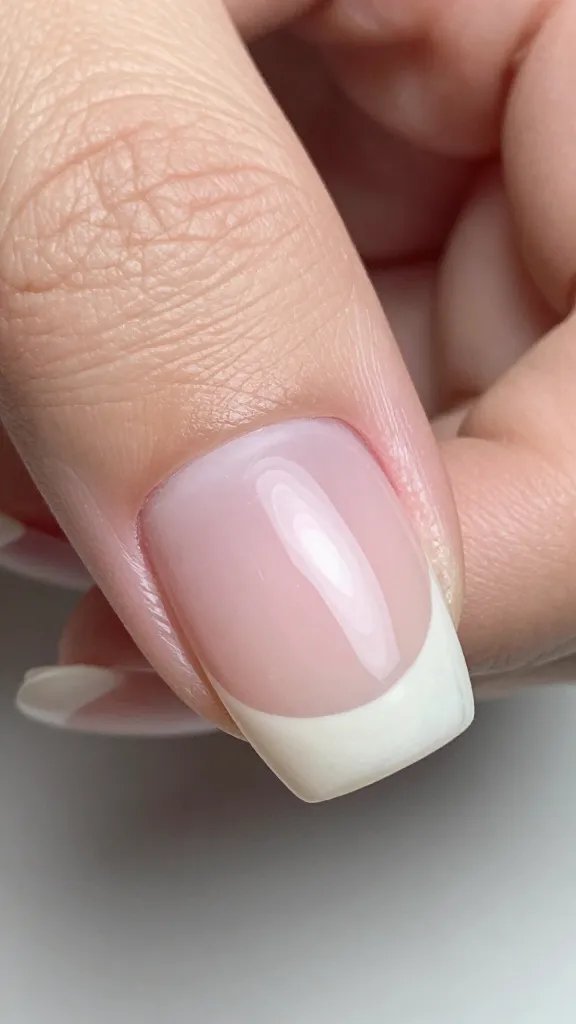
Think of your acrylic nails like a house. If the foundation isn’t solid, that house is going to have problems, right? The same goes for your nails. The preparation of your natural nail before acrylic application is, hands down, one of the most critical steps. Skimping here is a one-way ticket to Lift City.
The Dehydration Dance
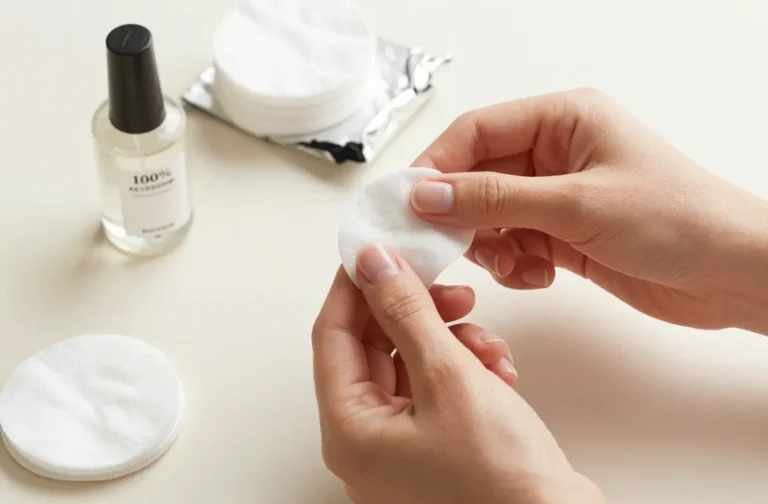
Your natural nail plate needs to be perfectly clean and dry for the acrylic to bond properly. Any oils, lotions, or even residual moisture can create a barrier. Nail technicians use a dehydrator and primer for a reason – they’re not just fancy potions! They strip away natural oils and adjust the nail’s pH, creating the ideal surface for adhesion. If this step is rushed or skipped, the acrylic simply won’t stick.
Cuticle Calamities
That tiny bit of skin clinging to your nail plate, the cuticle, is also a notorious culprit. If the acrylic is applied over any part of the cuticle, even a microscopic speck, it will lift. Why? Because your natural nail grows, and as it does, it pushes that acrylic-covered cuticle right off, taking the acrylic with it. Your nail tech should be meticulously pushing back and gently removing any non-living tissue from the nail plate.
Roughing It Up (The Right Way)
Before primer, the nail surface needs a gentle “etching” – basically, making it slightly rough so the acrylic has something to grip onto. This isn’t about aggressively filing your natural nail down to nothing, though! It’s about using a fine-grit buffer to remove the shine and create microscopic grooves. Too much roughing can damage your nail; too little, and the acrylic will just slide right off. It’s a delicate balance, my friends.
Product Problems & Application Blunders
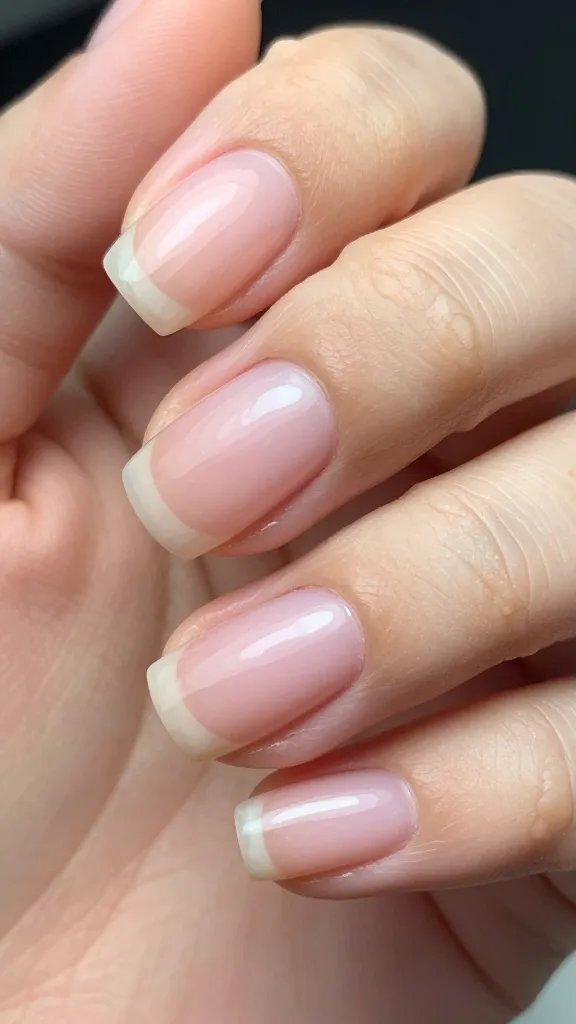
Even with stellar prep, the products themselves and how they’re applied can cause major headaches. Not all acrylic systems are created equal, and even the best products can go awry in the wrong hands.
The Magic Ratio: Monomer to Polymer
Acrylic is a chemical reaction between a liquid (monomer) and a powder (polymer). The ratio in which these two are mixed is *everything*.
* Too Wet (too much monomer): This creates a weak, gummy bead that takes ages to cure, can cause yellowing, and leads to poor adhesion and lifting. It’s like trying to build a sandcastle with too much water – it just collapses.
* Too Dry (too much powder): This results in a crumbly, unworkable bead that cures too fast, creating a brittle, porous, and weak nail that will definitely lift and break. Imagine trying to make a snowball with dry sand – impossible!
A skilled tech knows how to create the perfect, buttery bead every single time.
Contamination Station
Ever notice your tech cleaning their brush or making sure their products are sealed? That’s not just for show. Contamination of the monomer or powder can seriously mess with the chemical balance, leading to poor adhesion. Dust, lint, or even other nail products getting into the acrylic system can be a silent saboteur.
The “Oops, My Bad” Moments: Client Habits
Let’s be real, sometimes the lifting isn’t the tech’s fault at all. We, the clients, can be our own worst enemies when it comes to nail longevity. Are you guilty of any of these? (No judgment, we’ve all been there!)
Using Your Nails as Tools
Prying open soda cans, scraping stickers, opening packages – your acrylics are not multi-tools, folks! They’re beautiful enhancements. Any excessive force or leverage applied to the free edge can cause stress and micro-fractures in the acrylic, eventually leading to lifting at the stress points or the free edge.
Picking & Prying
As soon as you see that tiny bit of lift, is your immediate instinct to pick at it? Stop! Just stop right there. Picking at a lifted nail is like pulling a loose thread on a sweater; it only makes the problem worse, creating a larger gap where moisture and bacteria can sneak in. Plus, you’re probably damaging your natural nail underneath.
Water, Water Everywhere
Prolonged exposure to water is a big no-no for acrylics, especially if there’s any existing lift. Water can seep into that tiny gap between the acrylic and your natural nail, weakening the bond and encouraging more lifting. Think about doing dishes without gloves, long baths, or even excessive hand washing. Moisture trapped under a nail can also lead to nasty infections – trust me, you don’t want that.
Nail Tech No-Nos: When the Pros Miss a Step
Even experienced nail technicians can sometimes make mistakes. It happens. But recognizing these can help you have a better conversation with your tech or choose a different one if problems persist.
Improper Product Placement
Acrylic should be applied in a way that creates a strong, balanced structure, with the apex (the highest point of the nail) in the correct place to distribute stress. If the product is too thin at the stress points or too thick at the free edge, it can lead to weakness and lifting. Also, applying acrylic too close to the cuticle, as mentioned, is a major lifting trigger.
Rushing the Process
Time is money, but rushing nail services often leads to shortcuts. Skipping proper prep, not allowing dehydrators/primers to fully evaporate, or not allowing the acrylic to fully cure before filing can all contribute to premature lifting. A good acrylic set takes time, so be wary of techs who try to get you in and out too quickly.
When Life Just Happens: Environmental & Chemical Factors
Sometimes, despite everyone doing everything right, external factors can still cause lifting. Life is messy, right?
Chemical Exposure
Certain harsh chemicals can degrade the acrylic bond. Think about cleaning products, strong solvents, or even some hand sanitizers (especially those with high alcohol content). If you work in an environment with frequent chemical exposure, your nails might be more prone to lifting. Always wear gloves when cleaning or handling chemicals!
Trauma & Impact
Accidents happen. Bumping your hand, catching your nail on something, or even a hard impact can cause a sudden trauma that breaks the seal between the acrylic and your natural nail. This isn’t necessarily a fault in application; it’s just bad luck.
FAQ: Your Pressing Questions Answered
Can I fix lifting myself at home?
IMO, no, you really shouldn’t. While a tiny bit might seem tempting to glue down, it’s a temporary fix that traps moisture and bacteria underneath, potentially leading to infections. Plus, you’re likely to make the lifting worse or damage your natural nail. It’s always best to see a professional to properly remove the lifted area, clean the nail, and reapply the product.
How often should I get fills if my nails are lifting?
If your nails are consistently lifting before your scheduled fill, it’s a sign that something is wrong. Ideally, you should aim for fills every 2-3 weeks, but if you’re experiencing lifting earlier, talk to your nail tech about the possible causes. Don’t wait until half your nail is detached!
Does gel polish cause lifting on acrylics?
Generally, no. Gel polish is applied over cured acrylic and shouldn’t directly cause the acrylic to lift. However, if the acrylic itself is already compromised (e.g., due to poor prep or application), the added stress of gel polish or its removal process could exacerbate existing lifting.
What’s the difference between lifting and breaking?
Lifting refers to the acrylic separating from your natural nail plate, creating a gap. Breaking, on the other hand, means the acrylic itself has cracked or snapped, often due to impact or structural weakness. While both are undesirable, lifting is more often related to adhesion issues, whereas breaking is about the integrity of the acrylic product itself.
Is my natural nail permanently damaged by lifting?
Not necessarily, but it can be. If you pick at lifted nails, forcefully remove them, or allow moisture to get trapped, your natural nail can become weakened, prone to fungal infections, or even suffer trauma. Proper removal by a professional minimizes damage.
The Takeaway: Communication is Key!
So, there you have it – a whole host of reasons why your acrylic nails might be throwing a tantrum and lifting. The good news is, most of these issues are preventable! Communication with your nail technician is paramount. If you’re consistently experiencing lifting, don’t be shy about discussing it with them. A good tech will want to understand the problem and work with you to fix it. And on your end, be mindful of your nail habits. Treat those beautiful enhancements with the respect they deserve, and they’ll stick around (literally!) for much longer. Happy nail days, everyone!