The Dirty Secret The Importance of Nail Dust Collectors in Manicures
Ever finish a nail service, look around, and notice a fine, almost invisible layer of dust coating everything? You’ve just experienced the infamous “nail dust cloud.” While it might seem harmless, that shimmering haze is a silent, microscopic menace. It’s time we talked about the unsung hero of every nail station: the nail dust collector.
That Glittering Cloud Isn’t So Glamorous
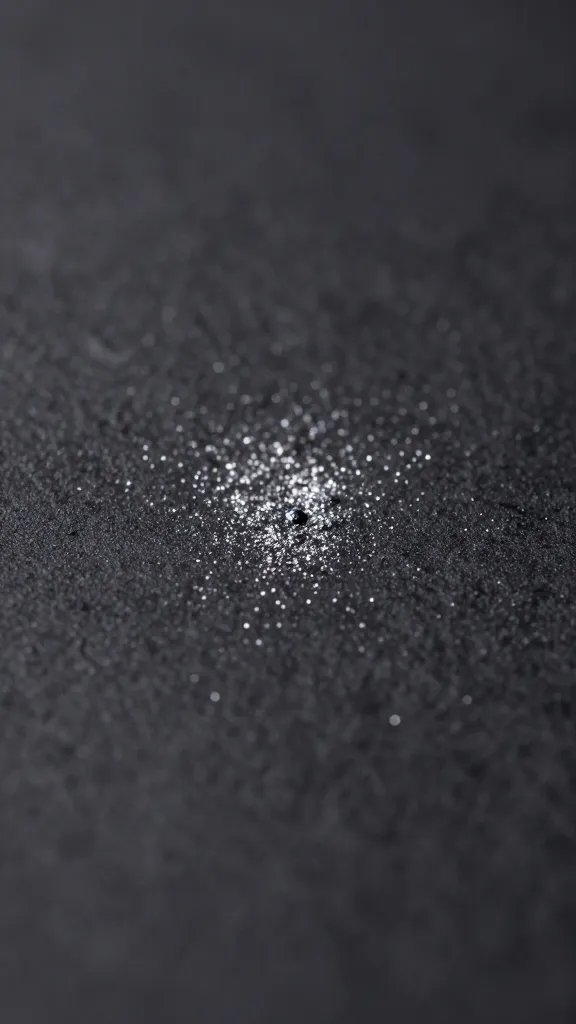
Let’s be real, we all love a freshly filed nail, but the process creates a *lot* of particulate matter. We’re talking about microscopic bits of cured gel, acrylic, dip powder, natural nail, and even dead skin cells. This isn’t just “dust” in the everyday sense; it’s a cocktail of various materials, some of which are pretty potent when inhaled.
Think about it: every time you file, buff, or remove product with an e-file, you’re essentially launching a tiny, invisible confetti party. This isn’t just a minor annoyance that settles on your workstation. This airborne debris poses real risks, both for the nail technician and the client. Ignoring it is like ignoring a leaky faucet – eventually, you’ll have a much bigger problem on your hands.
Your Lungs Deserve Better: The Health Hazards
The most significant concern with nail dust is what it does to our respiratory system. Inhaling these fine particles can lead to a whole host of problems, ranging from irritating to downright serious. It’s not just about a tickle in your throat; we’re talking about long-term health implications that you absolutely want to avoid.
For Nail Technicians
You’re exposed to this dust for hours every single day, often multiple clients deep. This consistent, prolonged exposure puts you at a much higher risk for developing respiratory issues. We’re talking about things like “tech cough,” chronic bronchitis, asthma, and even more severe conditions down the line. Your lungs are working overtime, trying to filter out all that gunk. IMO, neglecting proper ventilation and dust collection is like playing Russian roulette with your health.
For Clients
While clients aren’t exposed for as long, they still sit through a significant dust storm during their service. For those with pre-existing conditions like asthma or allergies, even a single exposure can trigger an attack or severe reaction. Plus, who wants to leave a salon feeling like they just spent an hour in a dusty attic? A professional environment prioritizes everyone’s well-being, not just the finished look.
Beyond the Lungs: Protecting Skin and Eyes

The respiratory system isn’t the only casualty of the dust cloud. Your skin and eyes are also on the front lines, taking a hit from those flying particles. It’s not just about discomfort; it’s about maintaining a clean, hygienic, and irritation-free environment for everyone involved.
Skin Irritation and Allergies
That fine dust doesn’t just float; it settles. It lands on your skin, your clothes, your hair, and your client’s skin. For sensitive individuals, this can lead to contact dermatitis, itching, redness, or even exacerbate existing skin conditions. Some components of nail products are known allergens, and having them constantly coating your skin is just asking for trouble. Keep that dust off your skin, folks!
Eye Safety
Ever get something in your eye during a service? It’s the worst, right? Nail dust can cause immediate irritation, redness, and discomfort. Over time, consistent exposure can lead to dry eyes, conjunctivitis, or even scratch the delicate surface of your eye. Protecting your eyes, whether with safety glasses or by containing the dust, is a non-negotiable part of a safe service.
More Than Just a Vacuum: How Dust Collectors Work
So, what exactly *is* a nail dust collector, and how does it tackle this microscopic menace? Think of it as a specialized, super-efficient vacuum cleaner designed specifically for nail particles. It’s not just sucking up visible chunks; it’s engineered to capture those ultra-fine bits that pose the biggest health risk.
The Science of Suction and Filtration
A good dust collector uses a powerful fan to create strong suction, drawing the airborne particles directly into the unit. Once inside, the magic happens in the filtration system. Most collectors employ multi-layered filters, often including a coarse pre-filter to catch larger debris, followed by a finer filter, and sometimes even a HEPA (High-Efficiency Particulate Air) filter. HEPA filters are crucial because they can trap 99.97% of particles as small as 0.3 microns – precisely the size of many nail dust particles that bypass less sophisticated filters. Some even include activated carbon filters to absorb chemical odors, which is a bonus!
Choosing Your Dust-Busting Champion
Alright, you’re convinced. You need a dust collector. But with so many options out there, how do you pick the right one? It’s not just about grabbing the cheapest model; it’s about investing in a piece of equipment that genuinely protects your health and enhances your professional environment.
Types of Collectors
* Desktop Models: These are the most common, sitting directly on your nail desk. They’re portable, easy to set up, and come in various sizes and suction strengths. Great for home users or smaller salons.
* Built-in Collectors: Integrated directly into your nail table, these offer a seamless, sleek look and often powerful, quiet operation. They’re a fantastic option for permanent salon setups, though they require a bit more installation.
* Portable/Handheld Units: Less common for primary dust collection, but some smaller, battery-operated units exist for quick touch-ups or mobile services. Don’t rely on these for heavy filing!
Key Features to Look For
1. Suction Power: Measured in CFM (Cubic Feet per Minute) or Pascals (Pa). Higher numbers mean more powerful suction. Don’t skimp here; weak suction is barely better than nothing.
2. Filtration System: Look for multi-layer filters, ideally with a HEPA filter. This is non-negotiable for capturing the finest, most dangerous particles.
3. Noise Level: Measured in decibels (dB). You don’t want a collector that sounds like a jet engine. Aim for something below 60dB if possible, especially for salon environments where conversation is key.
4. Ease of Cleaning/Maintenance: How easy is it to access and clean/replace the filters? This impacts how often you’ll actually do it!
5. Size and Design: Does it fit comfortably on your desk? Does it look professional? Aesthetics matter, especially in a client-facing business.
Keeping Your Collector Kicking: Maintenance 101
Even the most powerful dust collector is useless if you don’t maintain it. Think of it like changing the oil in your car – neglect it, and you’re asking for trouble. Regular maintenance ensures your collector operates at peak efficiency and truly protects you.
The Filter is Your Friend (and Foe if Neglected)
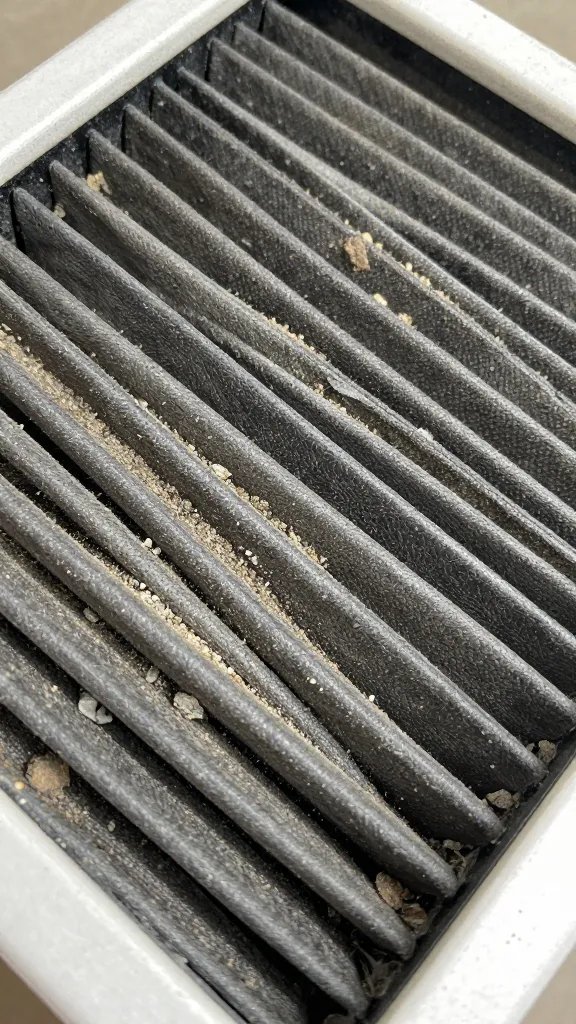
Your filter is the heart of your dust collector. It gets clogged with all that nasty dust, and a clogged filter means reduced suction and ineffective particle capture.
* Clean Regularly: Depending on your usage, you should be cleaning your pre-filters daily or every few uses. Many have removable, washable pre-filters.
* Replace Periodically: HEPA and activated carbon filters aren’t usually washable. They need to be replaced according to the manufacturer’s recommendations, typically every 3-6 months, or sooner if you notice a drop in performance. This is where most people drop the ball, but it’s crucial!
The ROI of Clean Air: Why It’s Worth Every Penny
Let’s talk brass tacks. A good dust collector isn’t the cheapest piece of equipment, but the return on investment (ROI) is astronomical. It’s not just about buying a gadget; it’s about investing in your health, your professionalism, and your business’s longevity.
Imagine this: you’re working in a clean, fresh-smelling environment. Your clients notice the difference. They see you taking their health, and yours, seriously. This builds trust, encourages repeat business, and elevates your salon’s reputation. Plus, you’ll feel better at the end of the day, with less fatigue and fewer respiratory issues. That, my friends, is priceless.
FAQs About Nail Dust Collectors
Is a dust collector really necessary for home use?
Absolutely! Even if you’re just doing your own nails or a friend’s once a week, that dust still accumulates and gets inhaled. Your home air quality matters just as much as a salon’s. Investing in a smaller, desktop unit is a smart move for any serious home nail enthusiast. Don’t underestimate the cumulative effect of even occasional exposure.
How often should I clean/replace the filter?
This depends heavily on your usage. For a busy professional, cleaning the pre-filter daily and replacing the main filter every 1-3 months is often necessary. For home users, cleaning the pre-filter weekly and replacing the main filter every 3-6 months might suffice. Always check your specific model’s manual for manufacturer recommendations, but err on the side of more frequent maintenance if you’re unsure.
Are all dust collectors the same?
Definitely not! They vary wildly in suction power, filtration quality (HEPA is key!), noise level, size, and durability. Cheap, basic models might only catch larger particles, leaving the dangerous micro-dust to float around. Research brands, read reviews, and prioritize features like strong suction and multi-layer HEPA filtration over just the price tag.
Can I just use a regular vacuum cleaner?
A regular household vacuum cleaner is generally not designed to capture the ultra-fine particles found in nail dust. Its filters are often not fine enough, and the suction might not be concentrated enough to effectively pull dust directly from the source. You’ll likely just stir up more dust than you collect, and potentially damage your household vacuum. Stick to purpose-built nail dust collectors for safety and efficiency.
What’s the difference between a dust collector and an air purifier?
A nail dust collector is a *source capture* device. It’s designed to suck up dust *at the point of creation* (i.e., right where you’re filing). An air purifier, on the other hand, cleans the ambient air in a room by circulating it through filters. While an air purifier is a great addition for overall air quality, it’s not a substitute for a dust collector, which prevents the dust from becoming airborne in the first place. You really need both for optimal air quality in a nail setting.
Breathe Easy, Create Beautiful Nails
So there you have it. Nail dust collectors aren’t just a fancy gadget; they’re an essential piece of equipment for anyone serious about nail health and safety. They protect your lungs, your skin, your eyes, and contribute to a much more professional and pleasant environment. Don’t let that shimmering dust cloud fool you into thinking it’s harmless. Invest in a good dust collector, maintain it, and enjoy the peace of mind that comes with knowing you’re breathing clean air while creating stunning nail art. Your future self (and your clients!) will thank you.