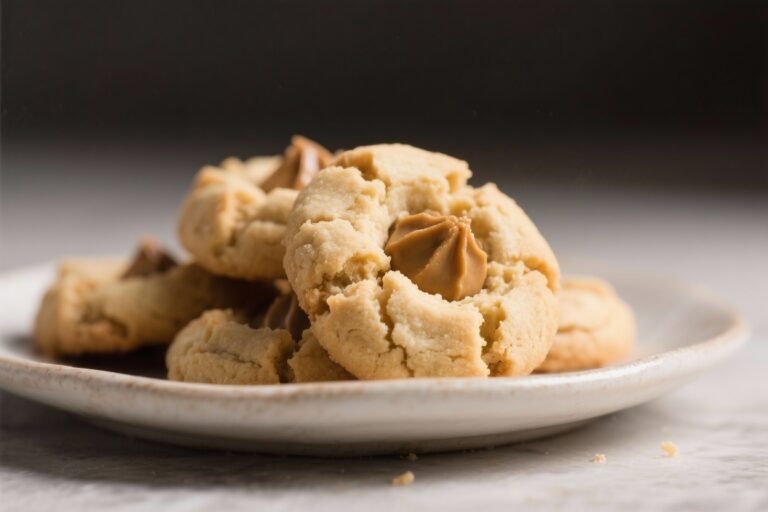
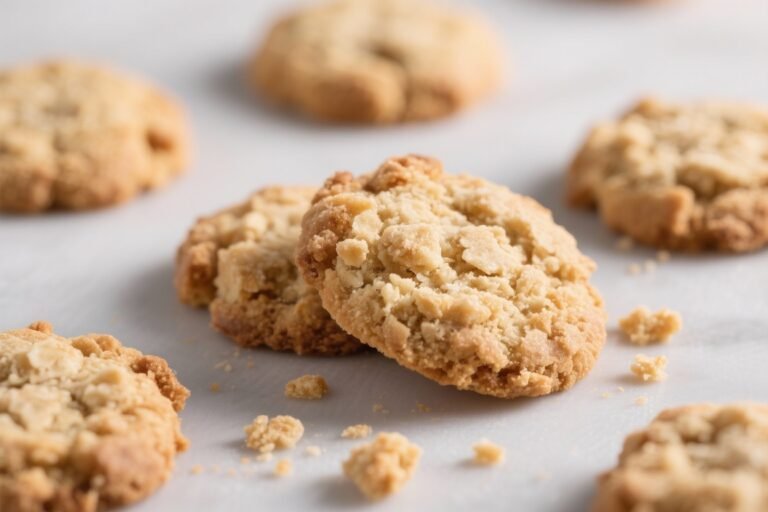
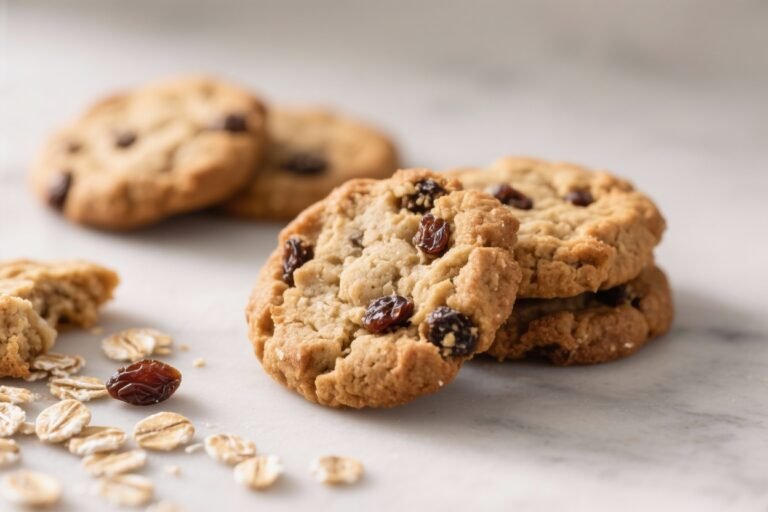
These Sugar Cookies Make Store-Bought Taste Like Cardboard (Yes, They’re That Good)
You want a cookie that actually tastes like butter, holds sharp edges, and doesn’t turn into a bland hockey puck? This is it. Think bakery-soft centers with crisp, golden edges your friends will swear you bought.
The dough is easy, the flavor is big, and the texture? Unreal. You’ll go from “I’ll just have one” to wondering where the entire batch went.
No judgement—been there.
The Secret Behind This Recipe
Most sugar cookies are either greasy or dry because the fat-sugar ratio is off and the dough gets overworked. The secret here is balance and control. We use a blend of granulated sugar for snap and a touch of powdered sugar for that melt-in-your-mouth bite.
A little cornstarch keeps the crumb tender without turning cakey. Chilling the dough is non-negotiable. It relaxes the gluten and solidifies the butter, which means your cookies don’t spread into pancakes.
Finally, a whisper of almond extract alongside vanilla takes the flavor from “cute” to “whoa.” It’s subtle, not perfume-y, and plays insanely well with butter.
Ingredients
- 2 3/4 cups (330 g) all-purpose flour
- 2 tablespoons cornstarch
- 1 teaspoon baking powder
- 1/2 teaspoon baking soda
- 1/2 teaspoon fine sea salt
- 3/4 cup (150 g) granulated sugar
- 1/4 cup (30 g) powdered sugar
- 1 cup (227 g) unsalted butter, softened but cool
- 1 large egg, room temperature
- 1 large egg yolk
- 1 1/2 teaspoons pure vanilla extract
- 1/2 teaspoon almond extract (optional but recommended)
- 2–3 tablespoons milk or cream (as needed for dough consistency)
- Sparkling sugar or granulated sugar for rolling (optional)
How to Make It – Instructions
- Cream smart, not long: Beat butter, granulated sugar, and powdered sugar together on medium speed just until fluffy and slightly pale, about 2 minutes. Don’t whip it into oblivion—too much air equals spread.
- Add eggs and flavor: Mix in the egg, egg yolk, vanilla, and almond extract. Scrape the bowl.
If the mix looks curdled, it’s fine. Butter and eggs are dramatic like that.
- Whisk dry ingredients: In a separate bowl, whisk flour, cornstarch, baking powder, baking soda, and salt until evenly combined.
- Combine with intention: Add the dry mix to the wet in two additions on low speed. If the dough looks sandy, add milk 1 tablespoon at a time until it forms a soft, cohesive dough that doesn’t smear like frosting.
- Chill time: Divide dough in half, flatten into disks, wrap, and chill for at least 1 hour (or up to 48 hours). Cold dough = clean edges + better flavor.
- Preheat and prep: Heat oven to 350°F (175°C).
Line baking sheets with parchment. No silicone mats if you’re chasing crisp edges.
- For drop cookies: Scoop 1.5 tablespoons of dough, roll into balls, and gently press tops to flatten slightly. Roll in sugar first if you like sparkle.
- For cut-outs: Roll chilled dough to 1/4 inch on a lightly floured surface.
Cut shapes and transfer using a thin offset spatula.
- Bake: 9–11 minutes for drop cookies, 8–10 for cut-outs. Pull when edges are just set and bottoms are lightly golden. Centers should still look soft—trust the process.
- Cool like a pro: Let cookies rest on the sheet for 5 minutes, then move to a rack. They’ll firm up as they cool. Resist the grab.
Or don’t—your call.
Preservation Guide
- Room temp: Store in an airtight container for 4–5 days. Add a slice of bread to keep them soft (bread sacrifices itself, heroically).
- Freezer, baked: Freeze cookies in a single layer, then bag for up to 2 months. Thaw at room temp—no one likes icy sugar crystals.
- Freezer, dough: Portion dough balls or wrap dough disks tightly and freeze up to 2 months.
Bake straight from frozen, adding 1–2 minutes.
- Icing storage: If decorating with royal icing, let dry fully (6–12 hours) before stacking with parchment between layers.
Why This is Good for You
- Emotional ROI: A batch of sugar cookies turns an average Tuesday into a minor holiday. Sharing them makes you instantly popular, FYI.
- Controlled ingredients: You choose the butter, the extracts, and the sweetness level. No mystery oils or weird aftertastes.
- Skill-building: This recipe teaches foundational baking: creaming, chilling, rolling.
It’s like strength training for your kitchen skills.
- Balanced texture: Cornstarch and powdered sugar add tenderness without making the cookie cakey. Your teeth will thank you.
Pitfalls to Watch Out For
- Overcreaming butter: Too much air makes cookies spread. Stop at light and fluffy—not cloud level.
- Skipping the chill: Warm dough = blob city.
If you’re short on time, freeze shaped cookies for 10–12 minutes before baking.
- Overbaking: If they’re golden all over, they’re overdone. Pull them when edges set and centers look slightly soft. They finish on the sheet.
- Too much flour: Scooping packs flour.
Spoon and level, or better yet, weigh it. Dry dough equals tough cookies, IMO.
- Using warm sheets: A hot pan pre-melts the butter. Rotate pans and let them cool between batches.
Variations You Can Try
- Lemon sugar cookies: Add 1 tablespoon lemon zest and swap almond extract for 1/4 teaspoon lemon extract.
Roll in lemon sugar.
- Brown butter twist: Brown the butter, cool to solid-but-soft, then proceed. Nutty, toasty, deeply addictive.
- Funfetti vibe: Fold in 1/3 cup rainbow jimmies. Instant party, minimal effort.
- Cinnamon-sugar roll: Mix 1/4 cup sugar + 1 teaspoon cinnamon and roll dough balls before baking for a snickerdoodle-like finish (without cream of tartar).
- Glazed cut-outs: Whisk 1 cup powdered sugar with 1–2 tablespoons milk and a splash of vanilla.
Drizzle or dip once cookies are cool.
- Chocolate dip: Dunk cooled cookies halfway in melted dark chocolate and sprinkle with flaky salt. Fancy with zero stress.
- Vanilla bean deluxe: Scrape 1/2 vanilla bean into the dough for specks and a richer aroma.
FAQ
Can I make these without almond extract?
Yes. Use only vanilla or add a splash of extra vanilla to compensate.
The cookies will still be rich and classic.
How do I keep cut-out shapes sharp?
Work with cold dough, flour lightly, and chill the cut shapes on the tray for 10 minutes before baking. Use parchment, not silicone, for cleaner edges.
Why add both granulated and powdered sugar?
Granulated sugar gives structure and crisp edges, while powdered sugar (with its tiny particles and a bit of starch) creates a more tender bite. Best of both worlds.
Can I make them thicker and super soft?
Roll to 3/8 inch and underbake by about 1 minute.
They’ll be softer in the center while still holding their shape.
What’s the best way to color the dough?
Use gel food coloring and add at the butter-sugar stage for even distribution. Liquids can change the dough’s texture—proceed carefully.
Do I need to sift the dry ingredients?
Not required, but whisk thoroughly. Sifting is helpful if your powdered sugar is clumpy or you’re chasing ultra-smooth dough.
Can I use salted butter?
Yes, reduce added salt to a pinch.
Flavor varies by brand, so taste the dough (perk of baking) and adjust if needed.
How do I make them gluten-free?
Use a cup-for-cup gluten-free baking blend with xanthan gum. Add an extra tablespoon of milk if the dough seems dry.
The Bottom Line
You don’t need a culinary degree to bake sugar cookies that crush the store-bought competition. With smart ratios, a brief chill, and the right bake time, you get cookies that are buttery, tender, and beautifully shaped.
Keep an eye on the edges, avoid overmixing, and you’ll nail them every time. Simple process, elite results—your cookie jar will never be the same.