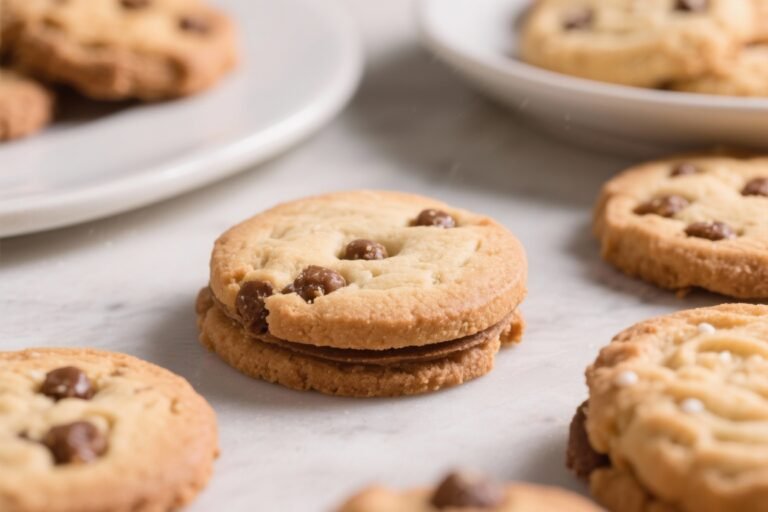
Oatmeal Cookies That Break the Internet: Crispy Edges, Chewy Centers, Zero Regrets
No one is craving a bland health cookie. You want a cookie that snaps at the edge, sinks in the middle, and tastes like your childhood got an upgrade. These oatmeal cookies do all that without needing pastry school or a stand mixer the size of a small car.
The dough mixes in minutes, bakes in under 12, and the result is a bakery-level cookie you’ll swear came from a secret family recipe. Spoiler: the “secret” is a smart balance of fat, sugar, and oats that turns basic pantry staples into a flex.
The Secret Behind This Recipe
The magic lives in texture control. We use a precise blend of old-fashioned rolled oats and a touch of quick oats for a chewy base that still feels substantial.
Butter gets browned to amplify caramel notes and deepen the cookie’s toasty personality. Chilling the dough hydrates the oats and prevents spread, so you get those iconic crinkly edges with a plush center. Sugars matter, too.
A split of dark brown sugar and granulated sugar fuels both chew and crisp. A whisper of cinnamon and vanilla doesn’t shout “spice cookie,” but it gives warmth and bakery aroma. And yes, a bonus egg yolk ups richness without making the dough cakey.
Little moves, big payoff.
What Goes Into This Recipe – Ingredients
- 1 cup (225 g) unsalted butter, browned and cooled to room temp
- 1 cup (200 g) dark brown sugar, packed
- 1/2 cup (100 g) granulated sugar
- 1 large egg + 1 egg yolk, room temperature
- 2 teaspoons vanilla extract
- 1 3/4 cups (220 g) all-purpose flour
- 1 teaspoon baking soda
- 3/4 teaspoon fine sea salt
- 1 teaspoon ground cinnamon (optional but recommended)
- 1 1/2 cups (135 g) old-fashioned rolled oats
- 1/2 cup (45 g) quick oats (for extra chew and cohesion)
- 1 cup (170 g) mix-ins: raisins, chopped dark chocolate, or toasted walnuts (your call)
- Optional finish: flaky sea salt for sprinkling
Step-by-Step Instructions
- Brown the butter: Melt butter in a light-colored pan over medium heat, stirring, until milk solids turn golden and smell nutty, 4–6 minutes. Transfer to a bowl and cool 20–25 minutes until it’s fluid but not hot.
- Preheat and prep: Heat oven to 350°F (175°C). Line two baking sheets with parchment.
No, you don’t need silicone mats—parchment helps spread control and easier cleanup.
- Whisk the dries: In a separate bowl, whisk flour, baking soda, salt, and cinnamon. Stir in both oats until evenly distributed.
- Cream by hand (or mixer): In a large bowl, whisk browned butter with brown sugar and granulated sugar until glossy and cohesive, about 1 minute. Add egg, yolk, and vanilla; whisk until smooth and slightly thick.
- Combine: Fold dry ingredients into wet just until no dry pockets remain.
Add your mix-ins and fold briefly. Don’t overwork—gluten has feelings.
- Chill: Cover and refrigerate 30–60 minutes. This hydrates oats and keeps cookies from going pancake mode.
If your kitchen is hot, lean toward 60.
- Scoop: Use a 2-tablespoon scoop (about 35–40 g) and space 2 inches apart. For bakery-size, go 3 tablespoons and add 2–3 minutes to bake time.
- Bake: 10–12 minutes, rotating pan at 8 minutes. Edges should be set and deep golden; centers will look slightly underbaked.
That’s the point—carryover heat finishes the job.
- Shape (pro move): Immediately after baking, use a round cookie cutter or a mug to “scoot” each cookie into a perfect circle. Optional, but it looks fancy.
- Finish and cool: Sprinkle flaky salt while warm if using. Cool on sheet 5 minutes, then transfer to a rack.
Try not to inhale all of them. Try.
How to Store
- Room temp: Airtight container up to 4–5 days. Add a slice of bread to keep them soft (the bread goes stale, not your cookies—science!).
- Freeze baked cookies: Layer with parchment in a freezer bag up to 2 months.
Thaw at room temp or warm 3–4 minutes at 300°F (150°C).
- Freeze dough balls: Scoop, chill on a sheet pan until firm, then freeze in a zip bag up to 3 months. Bake from frozen at 350°F, adding 2–3 minutes.
Nutritional Perks
- Whole-grain oats bring fiber, beta-glucan, and slow-release carbs for better satiety. Translation: not just sugar bombs.
- Browned butter adds flavor intensity, so you need fewer extras to feel satisfied—quality over quantity, IMO.
- Customizable mix-ins like nuts and dark chocolate add healthy fats and antioxidants.
Raisins offer natural sweetness and iron.
- Reasonable portions keep calories in check. One standard cookie runs about 180–220 calories depending on mix-ins.
What Not to Do
- Don’t skip the chill. Warm dough equals flat, greasy cookies. You’ll blame your oven.
It’s not your oven.
- Don’t use instant oats alone. They dissolve into mush. Rolled + a bit of quick oats = structure + chew.
- Don’t overbake. If they look fully baked in the oven, they’ll be dry on the counter. Pull when centers are slightly soft.
- Don’t pack the flour. Fluff, spoon, and level.
Packed flour makes cakey, tough cookies—hard pass.
- Don’t overload mix-ins. Stick to 1 cup total. More than that and you get granola clusters pretending to be cookies.
Recipe Variations
- Classic Oatmeal Raisin: 3/4 cup raisins + 1/4 cup chopped walnuts, plus a pinch of nutmeg.
- Dark Chocolate + Sea Salt: 1 cup chopped dark chocolate chunks, flaky salt finish. Rich and slightly dramatic—like your favorite TV lawyer.
- Toasted Pecan Maple: Swap 1/4 cup brown sugar for maple syrup and add 1 cup toasted pecans.
Reduce vanilla to 1 teaspoon.
- Cranberry Orange: 3/4 cup dried cranberries, zest of 1 orange, and 1/2 teaspoon orange extract.
- Espresso Chip: 1 teaspoon instant espresso powder dissolved in vanilla, plus 1 cup mini chocolate chips. Wake-and-bake energy (figuratively, FYI).
- Gluten-Free: Use a 1:1 gluten-free flour blend and certified GF oats. Chill at least 60 minutes for best structure.
- Dairy-Free: Replace butter with vegan butter sticks; skip browning and use as-is.
Add 1 tablespoon oat milk if dough seems dry.
FAQ
Can I make these without chilling the dough?
Yes, but expect flatter cookies with less chew. A 30-minute chill makes a noticeable difference in spread and texture, so it’s worth the brief patience.
What kind of oats should I use?
Old-fashioned rolled oats are essential for texture. A small portion of quick oats helps bind the dough, but skip instant oats—they vanish into wallpaper paste territory.
Why brown the butter?
Browning concentrates flavor and adds nutty, caramel notes that make the cookies taste “bakery.” It also removes water, which you balance with chilling to avoid excess spread.
How do I keep the cookies soft?
Slight underbake, cool on the sheet for a few minutes, and store with a slice of bread in an airtight container.
The bread trick keeps moisture where you want it.
Can I cut the sugar?
You can reduce total sugar by up to 1/4 cup without wrecking texture. Any more and you’ll lose spread, color, and chew—then you’ll blame me, and we can’t have that.
What if I don’t have dark brown sugar?
Use light brown sugar and add 1 teaspoon molasses. Or use all light brown; flavor will be slightly less caramelized but still great.
How big should I make them?
Two tablespoons of dough per cookie is the sweet spot for home ovens.
For giant cookies, use three tablespoons and extend bake time by 2–3 minutes.
Can I add coconut or seeds?
Absolutely. Keep total mix-ins to 1 cup. If adding drier ingredients like shredded coconut, you can splash in 1–2 teaspoons milk if the dough feels crumbly.
The Bottom Line
These oatmeal cookies hit that rare trifecta: fast to make, stacked with texture, and dangerously craveable.
With browned butter, balanced sugars, and a quick chill, you get pro-level results from pantry staples. Customize the mix-ins, keep the technique tight, and you’ll have a cookie that ruins you for store-bought forever. Bake a batch today; future-you will send a thank-you note.