How to Wash Your Hair Properly for Healthier, Shinier Strands
You want great hair? Start in the shower. No amount of fancy styling products can undo a bad wash. The good news: washing your hair right doesn’t require a cosmetology degree or a $40 shampoo. You just need a few tweaks, a little patience, and the courage to stop scrubbing your scalp like you’re cleaning a cast-iron pan.
Know Your Scalp Like You Know Your Coffee Order
Your scalp dictates everything. Oily? Dry? Sensitive? Flaky? You don’t need labels like “for normal hair” that say nothing. Match your products to your scalp first, then let the lengths follow.
Quick guide:
- Oily scalp: Go for lightweight, clarifying or balancing shampoos. Wash more frequently.
- Dry or flaky scalp: Use gentle, hydrating shampoos with soothing ingredients like aloe or oat.
- Sensitive scalp: Choose fragrance-free, sulfate-free options. Keep it simple.
- Curly/coily hair: You probably need less frequent washes and more hydration.
Hair vs. Scalp: They’re Not the Same
Your scalp needs cleansing. Your lengths need conditioning. Don’t swap their jobs. Shampoo targets the roots; conditioner loves the mid-lengths and ends. Easy division of labor, zero drama.
The Pre-Game: Prep Before You Even Get Wet
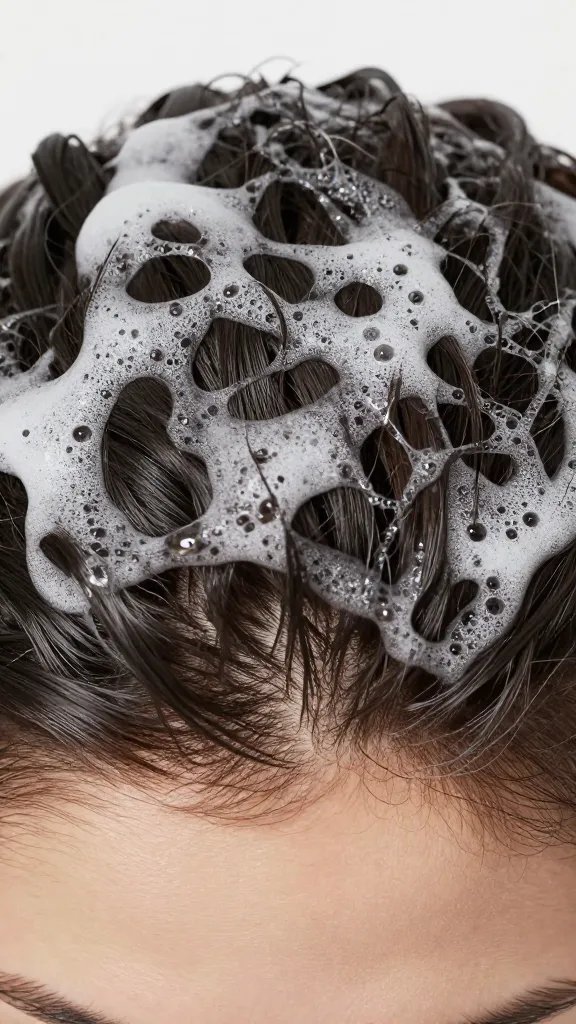
Yes, prep matters. You’ll remove buildup faster and detangle with less breakage. Five minutes here saves you fifteen later.
- Brush dry hair from ends to roots to loosen shed hair and dust. Use a wide-tooth comb or a paddle brush.
- Pre-treat the scalp with a lightweight oil or scalp serum if you’re flaky or dry.
- Pre-condition the ends with a dab of conditioner or leave-in if your hair tangles easily or feels brittle.
Water Temperature: Stop Boiling Your Cuticles
Use warm water to start. It helps lift oils without nuking your scalp. Rinse with cool water at the end if you want extra shine. Not ice-cold—just cool enough to close the hair cuticle a bit.
The Wash: Technique > Expensive Shampoo
You don’t need half a palm of product. You need placement and patience. Most people either use too much or slap it on the ends and call it a day. Let’s fix that.
- Emulsify your shampoo in your hands first. Add a little water and rub to make a light lather.
- Apply to the scalp only—top, sides, nape. That’s where oils and sweat live.
- Massage gently with your fingertips for 60–90 seconds. Small circles, no clawing. Think “firm but kind.”
- Let the suds run through the lengths when you rinse. That cleans the ends without stripping them.
- Repeat if needed (especially after workouts, heavy styling, or oily scalps). The first wash loosens grime; the second cleans.
FYI: If your shampoo won’t lather at all, wet your hair more or add a splash of water to your hands. Don’t immediately grab more product.
Scrub Tools: Useful or Gimmick?
Silicone scalp brushes can help lift buildup and feel amazing. Use them gently, especially if you have flakes or a sensitive scalp. Avoid sharp bristles or aggressive pressure. Your scalp is skin, not a kitchen sponge.
Conditioning: Where the Magic Actually Happens
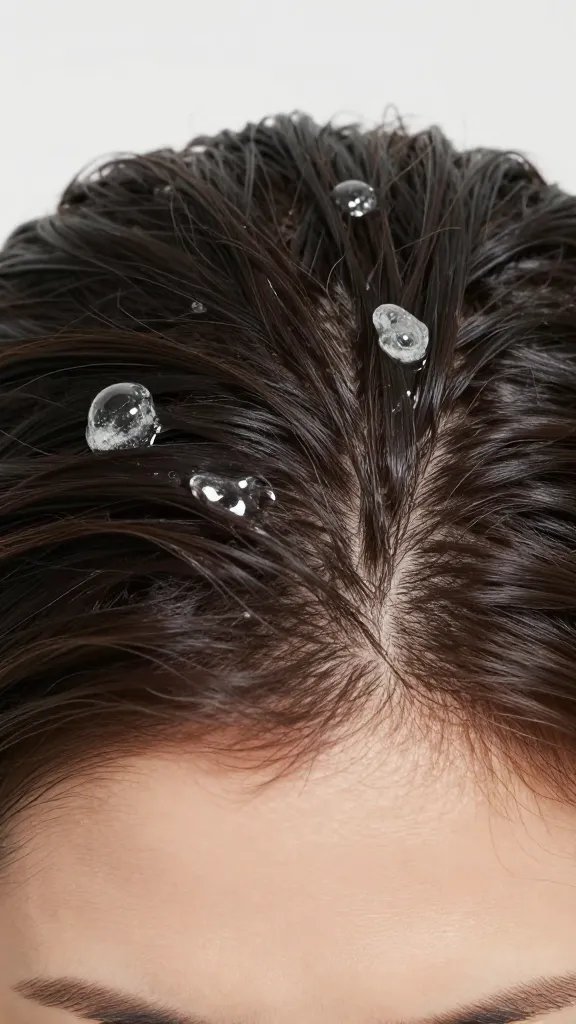
Shampoos clean. Conditioners transform. If your hair feels rough, dull, or tangled, you probably need more conditioner and better technique.
- Squeeze water out after rinsing shampoo. Too much water dilutes conditioner.
- Apply from mid-lengths to ends. Skip the roots unless you’re very dry or curly and know what you’re doing.
- Detangle gently with a wide-tooth comb while the conditioner sits.
- Leave it on for 2–5 minutes, then rinse until your hair feels slick but not greasy.
Mask vs. Conditioner: Which Do You Need?
Use a mask weekly if your hair feels dry, bleached, heat-styled, or if you live in a dry climate. Choose:
- Protein-rich masks for weak, stretchy, over-processed hair.
- Moisture masks for brittle, rough, or frizzy hair.
Alternate if you’re not sure. IMO, most folks do well with moisture most weeks and protein every 2–3 weeks.
Frequency: How Often Should You Wash?
This depends on your scalp, lifestyle, and hair type. But let’s set realistic expectations, not “wash once a month and manifest volume.”
- Oily scalp or daily workouts: Every 1–2 days. Use gentle shampoos and light conditioners.
- Normal to slightly dry: Every 2–3 days works for most people.
- Curly/coily: Every 4–7 days, with co-washing or refresh days in between.
- Fine hair: You might need more frequent washes for volume.
FYI: If your scalp itches, smells, or feels tight, wash it. Don’t negotiate with your follicles.
Hard Water, Build-Up, and Other Sneaky Saboteurs
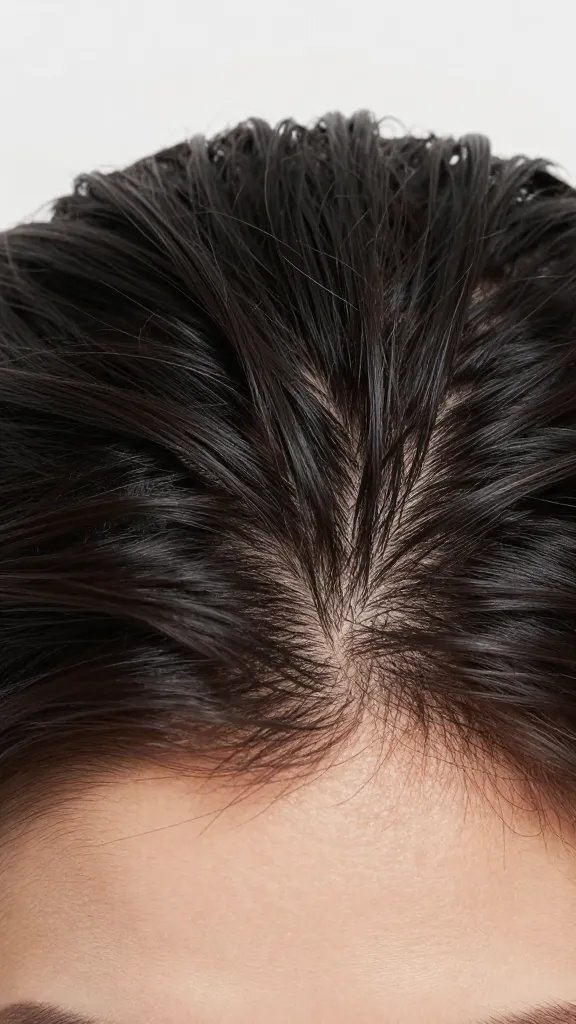
You can do everything right and still feel “meh” if minerals and product film hang out on your hair. Hard water and heavy styling can coat strands and kill shine.
Signs You Have Build-Up
- Dullness that laughs at serum
- Hair feels “grippy” or waxy even after washing
- Flatter roots and weird, sticky ends
Fix It
- Clarifying shampoo once every 1–2 weeks (oily) or 3–4 weeks (dry). Follow with a conditioner or mask.
- Chelating shampoo if you have hard water or swim. It removes mineral deposits better than basic clarifiers.
- Shower filter if your water is very hard. It won’t solve everything, but it helps.
Drying: Stop Roughing It Up
How you dry your hair matters as much as how you wash it. If you towel-scrub your head like you’re starting a campfire, please stop.
- Blot, don’t rub. Use a microfiber towel or a cotton T-shirt.
- Apply leave-in conditioner or a heat protectant on damp hair.
- Air-dry or diffuse depending on your texture. Keep heat low to medium.
- Brush only when wet with conditioner in, or when fully dry. The in-between zone breaks hair.
Heat Styling: The Truce
You can use heat and still have healthy hair. You just need boundaries:
- Always use heat protectant (spray or cream, not a myth, it helps).
- Keep temps under 375°F/190°C for most hair types.
- Limit passes with irons. One slow pass > five frantic ones.
Little Habits That Make a Big Difference
Small tweaks add up fast. Think of these as your low-effort, high-payoff tips.
- Scalp massage for 1–2 minutes daily to boost circulation. Fingers only. It feels good and helps growth indirectly.
- Swap elastics for scrunchies to avoid breakage.
- Silk or satin pillowcase for less frizz and fewer tangles.
- Trim regularly every 8–12 weeks to keep ends neat. No serum fixes split ends; only scissors do.
FAQ
Do I need sulfate-free shampoo?
Not always. Sulfates cleanse effectively, which helps oily scalps and heavy buildup. If your scalp feels tight or itchy, or your hair feels stripped, try a gentle sulfate-free formula. Choose what your scalp tolerates best—comfort wins.
Can I wash my hair every day?
Yes, if your scalp needs it. Use a mild shampoo, focus it on the roots, and condition lightly on the ends. Daily washers can benefit from a weekly mask or a richer conditioner to balance things out.
What’s the difference between clarifying and chelating shampoos?
Clarifying shampoos remove product buildup and excess oils. Chelating shampoos target mineral deposits from hard water and chlorine. If your hair looks dull after a vacation or you live with hard water, chelating gives you that reset.
How much shampoo should I use?
Start with a nickel to quarter-sized amount for shoulder-length hair. Longer or thicker hair may need more, but emulsify and add water before adding product. If it doesn’t lather, your hair might be very oily—do a quick first wash, then a second.
Is co-washing good for everyone?
Co-washing (using conditioner to cleanse) works best for curly, coily, or very dry hair. It can weigh down fine or oily hair. If you co-wash, clarify periodically so buildup doesn’t invite scalp drama.
Why does my hair feel greasy right after washing?
You might not be rinsing thoroughly, or you’re applying conditioner too close to the roots. Product buildup and hard water can also cause that waxy feel. Clarify, adjust your technique, and keep conditioner to mid-lengths and ends.
Conclusion
Great hair starts in the shower, not at the salon checkout. Focus on your scalp, treat your lengths kindly, and ditch the harsh scrubbing. With the right products and a little technique, you’ll get cleaner roots, smoother ends, and shine that looks like effort—but isn’t. IMO, once you nail the basics, everything else becomes optional extras. Clean scalp, happy hair, less fuss. Win-win.