How to Strengthen Your Nails After Gel Fast
You finally peeled off that last stubborn bit of gel, and what’s staring back at you? A sad, flaky, bendy mess that barely resembles a nail. We’ve all been there, sacrificing the integrity of our natural nails for weeks of chip-free perfection. But don’t despair! Getting your nails back to their former glory, or even better, is totally doable with a little TLC and a whole lot of patience.
The Great Gel Detox: Why Your Nails Are Crying
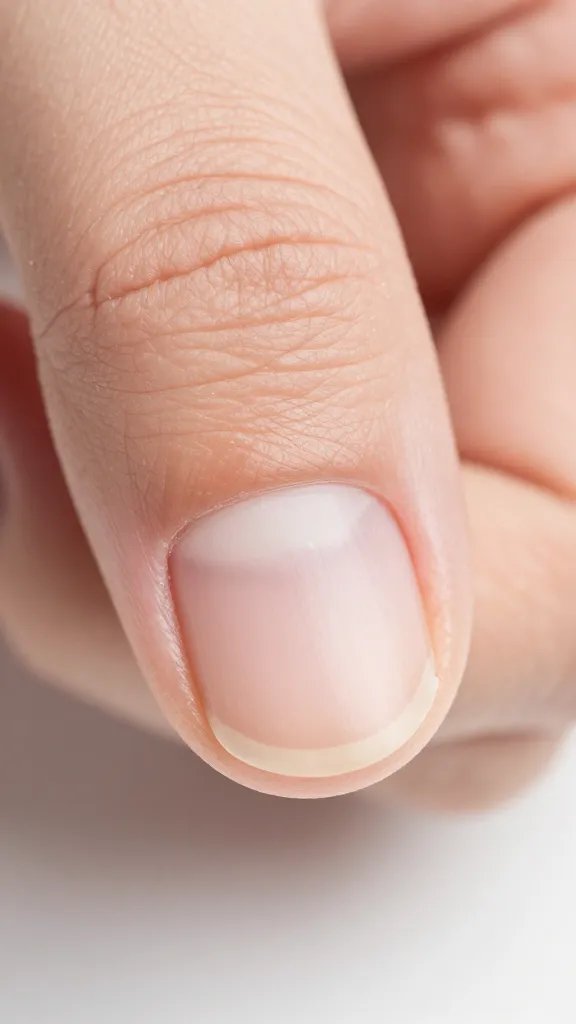
Let’s be real, gel manicures are amazing. They look fantastic, last forever, and make you feel put-together even when you’re anything but. But those weeks of indestructible polish come at a cost. Your nails, trapped under layers of gel and cured by UV light, can become dehydrated, brittle, and thinner than a supermodel’s patience.
The removal process often doesn’t help either. Aggressive scraping, picking (we’ve all done it, no judgment!), or improper soaking can strip away the natural oils and even layers of your nail plate. So, when your nails emerge from their gel cocoon looking like they’ve been through a war, it’s because, well, they kind of have. But fear not, we’re here to start the healing process!
Hydration Station: Quench Those Thirsty Nails
Think of your nails like tiny sponges. When they’re dry, they’re brittle and prone to breaking. When they’re properly hydrated, they’re flexible and strong. Hydration is hands-down (pun intended) the most crucial step in post-gel recovery.
Oil Up, Buttercup!
This isn’t just a suggestion; it’s a commandment. Cuticle oil is your new best friend. And not just any oil – look for formulas rich in nourishing ingredients like jojoba, almond, or vitamin E. Jojoba oil, in particular, is a fantastic mimic of your skin’s natural sebum, making it super effective for absorption.
* Apply generously: Don’t be shy! Slather it on your cuticles and the entire nail plate several times a day. Keep a bottle by your bed, in your car, and at your desk.
* Massage it in: Take a minute to gently massage the oil into your nails and cuticles. This helps stimulate blood flow and ensures better absorption.
* Overnight treatment: Before bed, apply a thick layer of oil or even a rich hand cream to your nails and hands, then slip on some cotton gloves. You’ll wake up to noticeably softer cuticles and happier nails.
Don’t forget about internal hydration either! Drinking plenty of water helps keep your entire body, including your nails, well-hydrated from the inside out.
The Power of Protection: Shielding Your Fragile Friends
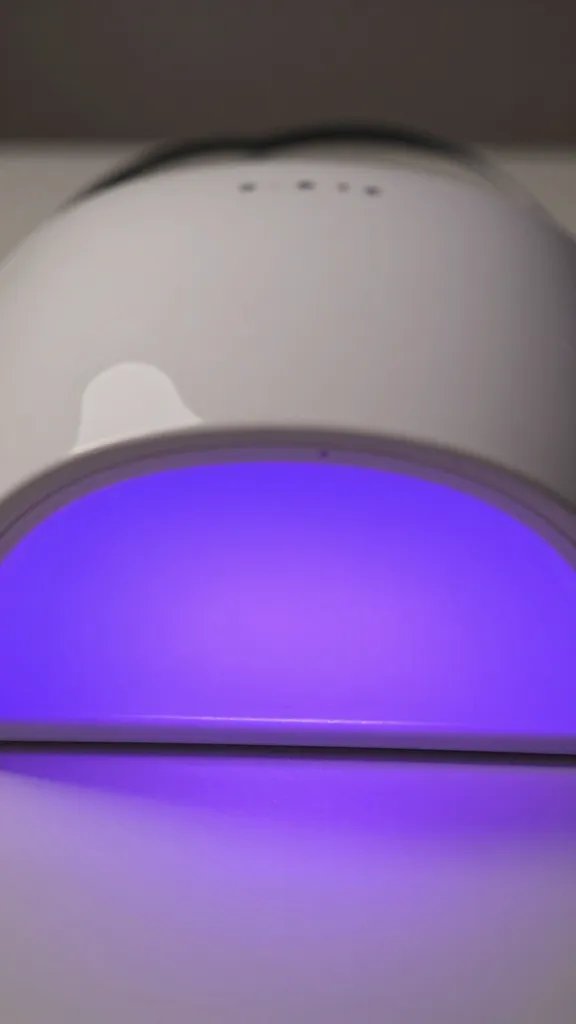
While your nails are recovering, they are incredibly vulnerable. Think of them as tiny, recovering patients who need all the protection they can get.
Hands-on protection:
* Gloves are your go-to: Washing dishes, cleaning with harsh chemicals, or even gardening? Pop on some gloves! Water and detergents are incredibly drying and weakening to your nails.
* Avoid using your nails as tools: Seriously, stop prying open soda cans or scraping off labels with your nails. Use an actual tool. Your nails will thank you.
Strengthener vs. Hardener: What’s the Diff?
This is where it gets a little nuanced. Many people reach for “hardeners” when their nails are weak, but sometimes, that’s the opposite of what you need.
* Nail Strengtheners: These often contain ingredients like keratin or protein that help rebuild and fortify the nail plate. They generally aim to make nails more flexible and resilient, rather than just rigid. Look for products that nourish and condition.
* Nail Hardeners: These typically contain ingredients like formaldehyde (in varying concentrations) that create a rigid, protective layer on the nail. While they can prevent bending and breaking *initially*, for already brittle nails, they can make them *more* prone to snapping because they become too inflexible. IMO, proceed with caution here, especially if your nails are already super dry and brittle.
A good quality base coat under any regular polish can also offer a layer of protection and prevent further staining. Choose one specifically formulated for weak or damaged nails.
Diet & Supplements: Feed Your Nails from Within
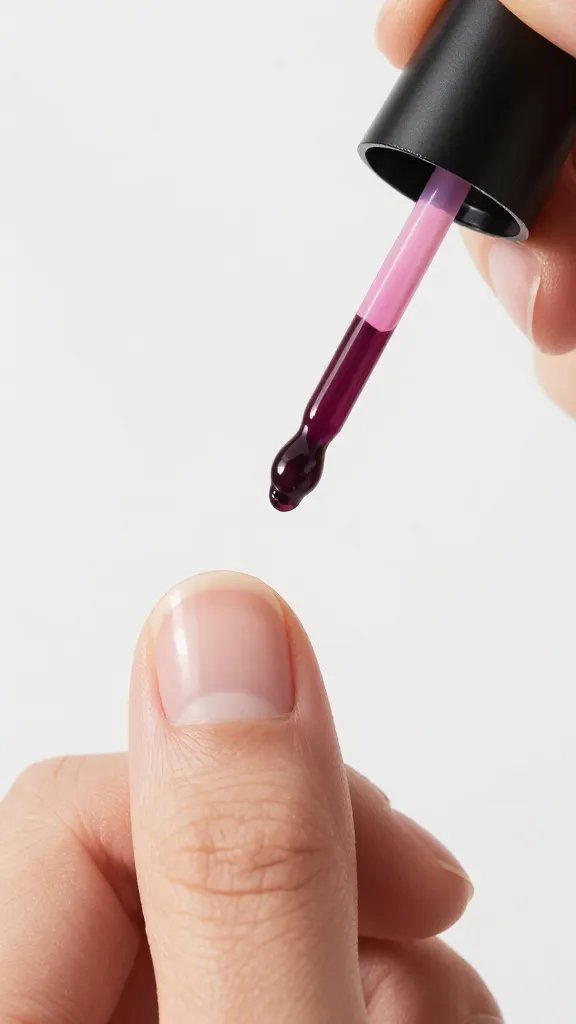
You know the saying, “you are what you eat”? Well, your nails are too! What you put into your body has a direct impact on the health and strength of your nails.
Nutrients for Nail Nirvana:
* Biotin: This B vitamin is a superstar for hair, skin, and nails. You can find it in foods like eggs, nuts, seeds, and sweet potatoes. Many people also opt for biotin supplements.
* Collagen: As a primary building block of your nails (and skin, hair, joints!), collagen is crucial. Bone broth, fish, and certain supplements can boost your intake.
* Protein: Nails are made of keratin, which is a protein. Ensure you’re getting enough lean protein from sources like chicken, fish, beans, lentils, and tofu.
* Vitamins & Minerals: Zinc, iron, and Vitamins A, C, and E all play roles in nail health. Load up on leafy greens, colorful fruits, and whole grains.
Talk to your doctor or a nutritionist before starting any new supplement regimen, just to be safe. But generally, focusing on a balanced, nutrient-rich diet is a fantastic first step.
Gentle Handling: Be Kind to Your Tips
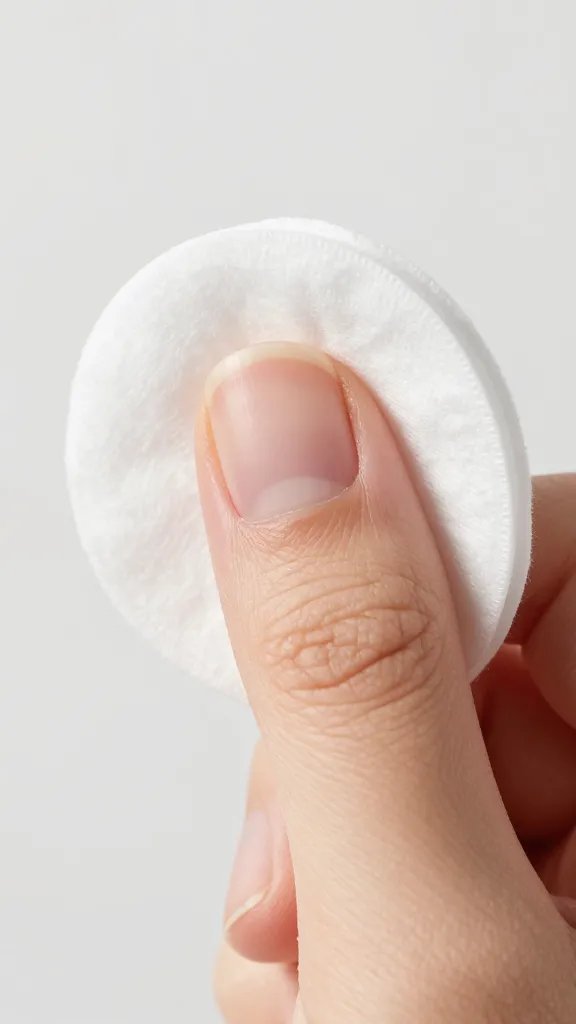
Your nails are delicate right now, so treat them with kid gloves – literally and figuratively!
* No Picking, Peeling, or Prying: This is the cardinal sin of nail care. Every time you peel off polish or pick at a snag, you’re literally ripping off layers of your nail plate. Stop it! Just stop.
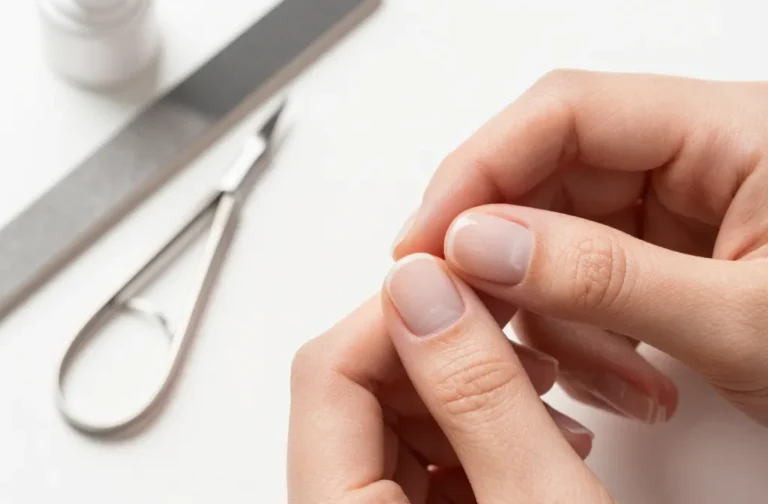
* File with Finesse: When filing, always go in one direction, from the side to the center. Sawing back and forth creates micro-tears and weakens the nail edge. Use a fine-grit file, not a coarse one.
* Keep ’em Short: While your nails are recovering, keeping them shorter reduces the surface area for potential snags and breaks. It’s less glamorous, sure, but it’s practical for recovery.
* Avoid Harsh Chemicals: Nail polish removers containing acetone are potent. While they are effective, they can be drying. Opt for acetone-free removers if you can, or use acetone removers sparingly and follow up immediately with oil.
The Art of Filing (It’s Not a Battle!)
Filing isn’t about brute force; it’s about shaping with care. When your nails are weak, they’re prone to splitting, especially if you’re too aggressive. A glass file is a great investment as it’s less abrasive and seals the nail edge more effectively than traditional emery boards, which can cause micro-tears. Remember, gentle, one-directional strokes are your friends.
Patience, My Dear: Rome Wasn’t Built in a Day (and Neither Are Strong Nails)
This is probably the hardest pill to swallow: nail recovery takes time. Your nails grow slowly, and it takes about 3-6 months for a new, healthy nail to grow from the cuticle to the free edge. That means you’ll need to commit to this recovery routine for a while before you see significant, lasting results.
Don’t get discouraged if you don’t see overnight miracles. Consistency is key. Keep up with the oiling, the protection, and the healthy habits, and you’ll gradually notice your nails becoming stronger, healthier, and more resilient. It’s a marathon, not a sprint, but the finish line is beautiful, strong nails!
FAQ Section
How long does it take for nails to recover after gel?
It typically takes around 3 to 6 months for your nails to fully recover after gel manicures. This is because you need to wait for the damaged nail to completely grow out and be replaced by new, healthy nail growth from the cuticle. Consistent care during this period is crucial.
Can I still wear regular polish while my nails are recovering?
Yes, you absolutely can! In fact, wearing a good quality regular nail polish can actually provide an extra layer of protection for your fragile nails. Just make sure to use a nourishing base coat underneath and an acetone-free remover when it’s time for a change.
Should I avoid all nail products during recovery?
Not at all! While you should avoid gel or acrylics, you should actively use products that promote nail health. This includes cuticle oils, nail strengtheners (not hardeners if your nails are brittle), and moisturizing hand creams. Think of it as a pampering regimen for your nails.
What’s the best type of nail file to use?
For weak or recovering nails, a glass nail file is highly recommended. They are gentler on the nail plate, seal the nail edge more effectively, and prevent splitting and peeling better than traditional emery boards. Always file in one direction.
Is it okay to cut my nails short during recovery?
Yes, it’s actually encouraged! Keeping your nails shorter minimizes the surface area that can snag, break, or peel. It might not be your preferred style, but it’s a practical step to prevent further damage and allow new, strong growth to come in.
When can I get gel again?
Honestly? When your nails are consistently strong, flexible, and healthy enough to handle it without immediately reverting to their post-gel fragility. This could be anywhere from 6 months to a year, or even longer. Listen to your nails; they’ll tell you when they’re ready. And when you do go back, ensure proper application and, more importantly, proper *removal* by a professional!
The Journey to Stronger Nails Starts Now
So there you have it, your comprehensive guide to getting your nails back on track after the gel-induced trauma. It’s not rocket science, but it does require commitment and a shift in perspective. Think of this as an investment in your nail health, a chance to truly nourish them from the inside out and protect them from the outside in. With a little love, a lot of oil, and a dash of patience, you’ll be flaunting strong, beautiful, natural nails in no time. Go forth and conquer, nail warrior!