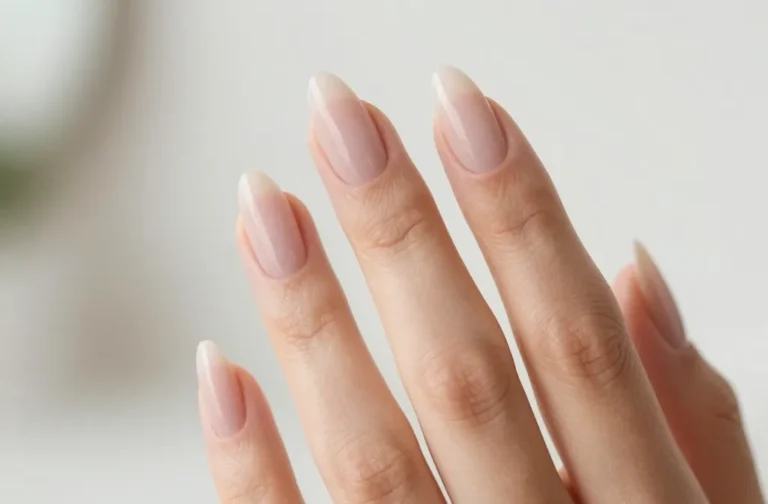
Finally! How to Heal Thin Nails for Good
You know the drill. You’re trying to open a soda can, or maybe just peel a sticker, and *snap*. There goes another nail, bending backwards in protest. Thin, brittle nails are more than just an aesthetic annoyance; they’re a constant battle against daily life. If you’re tired of your nails feeling like wet tissue paper, you’ve come to the right place. Let’s get those talons strong again!
Unmasking the Culprits: Why Are Your Nails So Weak?
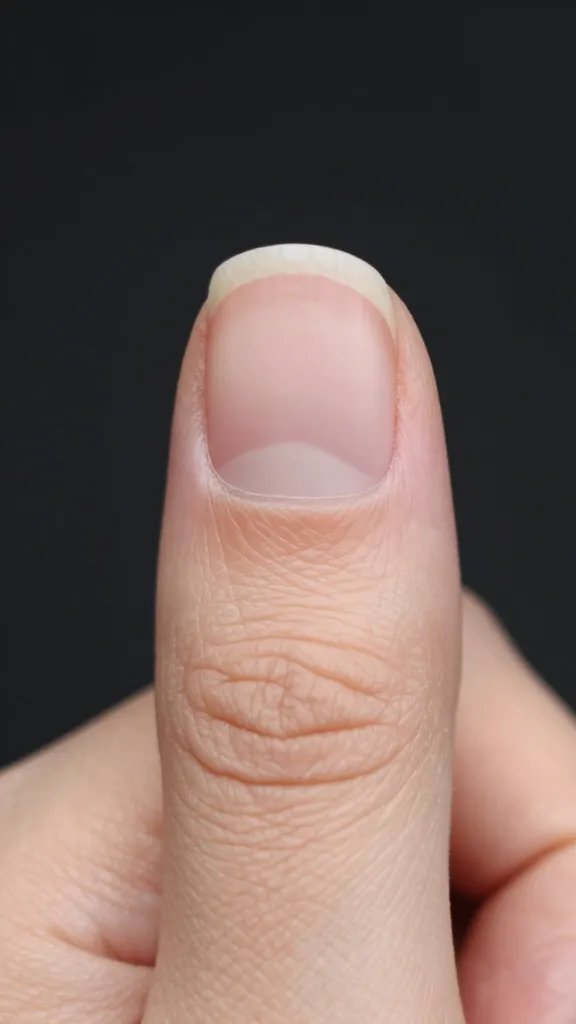
Before we can heal those delicate digits, we need to play detective. What’s making your nails so flimsy in the first place? It’s rarely just one thing, but a combination of factors that gang up on your poor nail plates. Understanding the “why” is the first step to a stronger “how.”
The Chemical Catastrophe
Are you a fan of harsh cleaning products? Do you dive into dishwashing without gloves? Your nails are screaming. Exposure to strong detergents, solvents, and even some nail polish removers (especially those with acetone) can strip your nails of their natural oils, leaving them dry, brittle, and prone to peeling. Think of it like constantly washing your hair with harsh shampoo – eventually, it’s going to get damaged.
Mani-Pedi Missteps
Love a good manicure? Me too! But sometimes, our quest for perfectly polished tips can backfire. Over-filing, especially buffing the top of your nail plate too aggressively, thins it out significantly. And don’t even get me started on the trauma some people inflict when removing gel or acrylics. Prying, peeling, or improper removal techniques are basically an open invitation for nail damage. Your nails deserve better, IMO.
Dietary Deficiencies: Are You Eating Your Way to Strong Nails?
What you put *in* your body is just as important as what you put *on* it. A lack of certain vitamins and minerals can manifest directly in your nail health. We’re talking about things like biotin, iron, zinc, and protein. If your diet is lacking, your nails will be the first to tell you, usually by waving a white, brittle flag.
The Gentle Touch: Nail Care for the Delicate
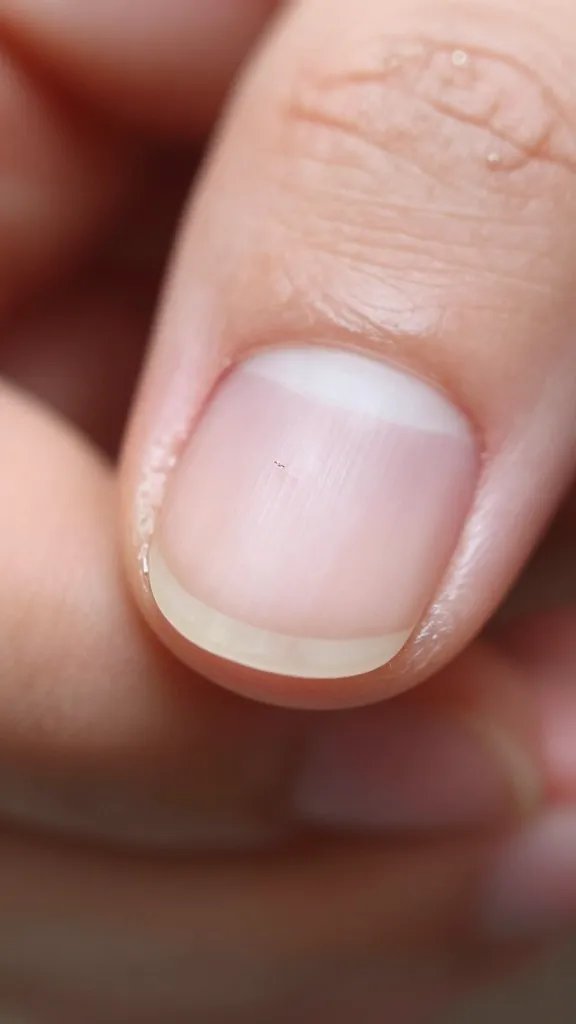
Healing thin nails isn’t about magic potions; it’s about consistent, gentle care. Think of your nails like a fragile plant – you wouldn’t yank at its leaves, would you?
Filing Faux Pas and How to Fix Them
First off, ditch the metal files. Seriously, throw them out. They cause micro-tears that lead to peeling. Instead, opt for a glass or crystal nail file. They seal the nail edge as you file, preventing snags and splits. Always file in one direction, not a seesaw motion. And go easy! You’re shaping, not sanding a deck.
Cuticle Kindness
Your cuticles are your nails’ natural protective barrier. They keep bacteria out and moisture in. So, what’s the cardinal rule? Never cut your cuticles. Push them back *gently* after a shower or soaking, using a soft towel or an orange wood stick. Cutting them opens the door to infection and can actually make your nails grow in weaker.
Hydration Station: Quench Those Thirsty Nails!
Dry nails are weak nails. It’s that simple. Just like your skin, your nails need moisture to stay flexible and strong. This is where you become a hydration hero.
Oil Up, Buttercup!
This is non-negotiable. Cuticle oil is your best friend. Apply it multiple times a day, especially after washing your hands. Look for oils with ingredients like jojoba, almond, or vitamin E. Massage it into your cuticles and the nail plate itself. This penetrates deep, strengthening from the matrix (where your nail grows from) outwards. Think of it as a daily dose of superfood for your nails.
Moisturize, Moisturize, Moisturize
Beyond cuticle oil, make a habit of using a good hand cream throughout the day. Your nails will benefit from the extra moisture. Keep a tube by your sink, in your purse, and on your nightstand. Consistency is key here.
Smart Polishing: The Good, The Bad, and The Ugly
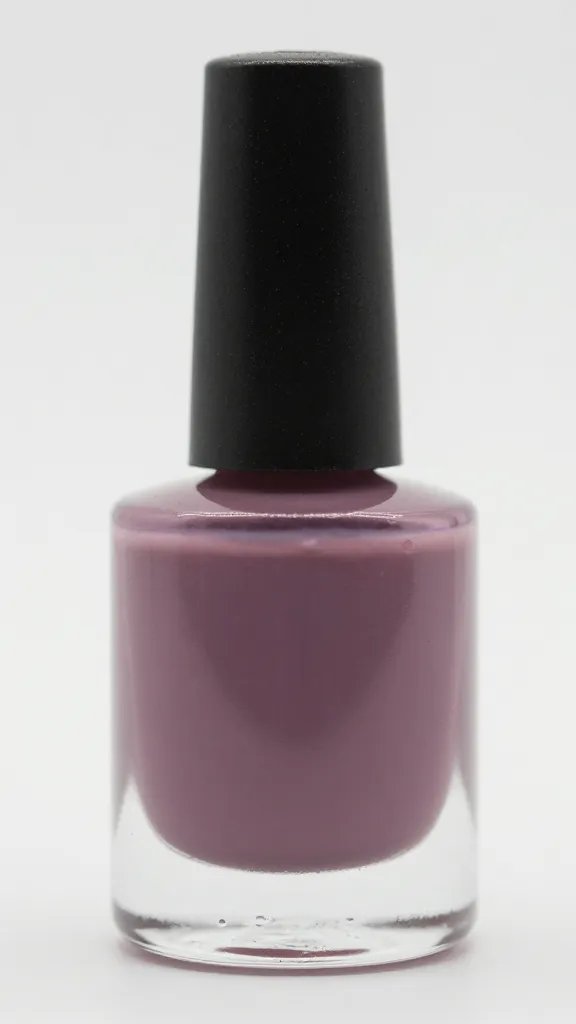
Can you still wear nail polish when your nails are thin? Absolutely, but you need to be smart about it. Some polishes can actually help, while others… well, let’s just say they’re not doing you any favors.
The Power of a Good Base Coat
A strengthening base coat is your armor. It acts as a barrier, protecting your nail plate from staining and providing an extra layer of protection. Look for formulas that contain nylon, keratin, or calcium. These ingredients help to fortify the nail. Apply two thin coats for maximum benefit.
Breathable Polishes and “Free-From” Formulas
While your nails don’t “breathe” in the traditional sense, giving them a break from constant polish can be beneficial. When you do wear color, consider brands that offer “5-free,” “7-free,” or even “10-free” formulas. These polishes avoid harsh chemicals like formaldehyde, toluene, and DBP, which can be drying and damaging over time.
The Gel and Acrylic Dilemma
Okay, let’s talk about the elephant in the room: gel and acrylics. While they offer instant strength and length, they can be incredibly damaging to already weak nails, especially during removal. If your nails are thin, avoid gel and acrylics until they’ve regained their strength. The temporary fix isn’t worth the long-term damage. Give your natural nails a chance to heal, then maybe, just maybe, reintroduce them with extreme caution and professional removal.
Fueling Your Fingers: Nutrition for Nail Nirvana
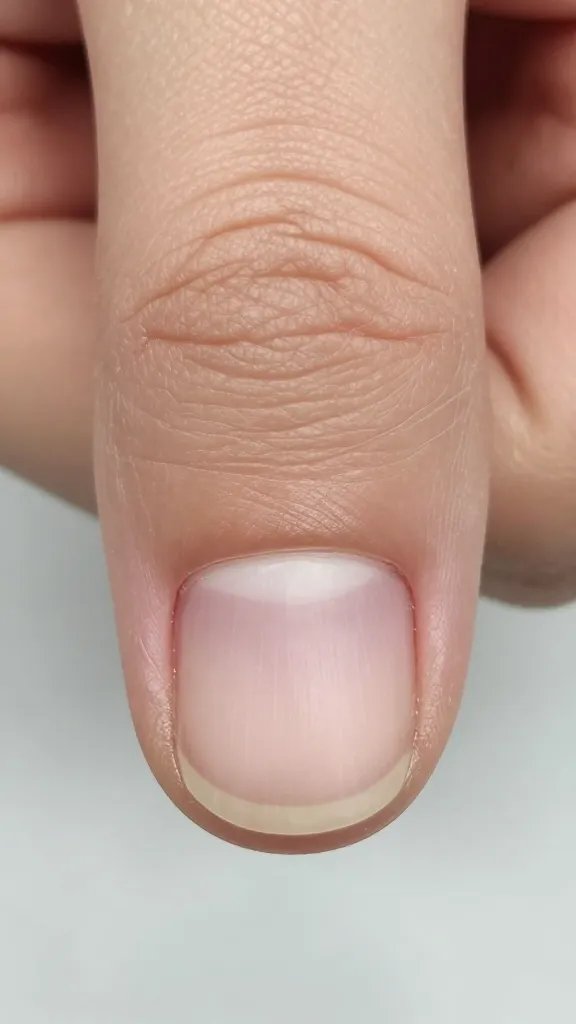
Remember our detective work from earlier? Diet plays a huge role. You can oil and polish all you want, but if your body isn’t getting the right nutrients, your nails will struggle.
The Building Blocks: Protein and Biotin
Your nails are made of keratin, which is a protein. So, it makes sense that adequate protein intake is crucial. Think lean meats, fish, eggs, dairy, legumes, and nuts.
Biotin (Vitamin B7) is probably the most famous nail-strengthening supplement, and for good reason. It plays a key role in keratin production. Studies show it can improve nail thickness and reduce splitting in those with brittle nails.
Beyond Biotin: A Multivitamin Approach
Don’t put all your eggs in the biotin basket. A balanced diet rich in vitamins and minerals is essential.
* Iron: Prevents spoon-shaped nails and ridging.
* Zinc: Important for cell growth and division.
* Vitamin C: Crucial for collagen production.
* Omega-3 Fatty Acids: Found in fish and flaxseed, they help keep nails moisturized and flexible.
Consider a good quality multivitamin if you suspect dietary gaps. But always chat with your doctor before starting any new supplement regimen, okay? Just a friendly PSA.
Patience, Grasshopper: The Healing Journey Takes Time
Here’s the tough love: healing thin nails is not an overnight miracle. Your nails grow slowly – about 3mm per month. That means it can take 3-6 months for a completely new, healthy nail to grow from base to tip.
Don’t get discouraged if you don’t see immediate results. Consistency is your superpower. Stick with your new gentle care routine, keep those nails hydrated, and fuel your body right. You’ll start seeing a difference, and trust me, it’s a fantastic feeling when you do.
FAQs About Healing Thin Nails
Can I still wear regular nail polish if my nails are thin?
Yes, absolutely! In fact, a good quality regular nail polish can offer an extra layer of protection against daily wear and tear. Just make sure you’re using a strengthening base coat underneath and a nourishing top coat. Also, be mindful of your polish remover – opt for an acetone-free formula to prevent excessive drying.
How long will it take for my nails to heal and become strong?
Patience is key here. Nails grow slowly, typically about 3mm per month. For a completely new, healthy nail to grow from the cuticle to the tip, it can take anywhere from 3 to 6 months. You’ll start seeing improvement in the new growth at the base of your nail much sooner, but full recovery requires consistent effort over several months.
Are gel manicures and acrylics always bad for thin nails?
While gel and acrylics provide immediate strength and can look fabulous, they often come at a cost for already thin or damaged nails. The application process (which can involve harsh filing) and especially the removal process (soaking in acetone, scraping) can further weaken the nail plate. If your nails are currently thin, it’s best to avoid them entirely until your natural nails have fully healed and strengthened.
Should I take a biotin supplement for stronger nails?
Biotin is a popular supplement for nail strength, and for good reason – it plays a vital role in keratin production. Many people report positive results, including increased nail thickness and reduced brittleness. However, results can vary, and it’s always a good idea to consult with your doctor or a healthcare professional before starting any new supplement, just to make sure it’s right for you.
Is it okay to keep my nails long while they are healing?
When your nails are thin and brittle, keeping them shorter is generally recommended. Longer nails are more prone to snagging, bending, and breaking, which can hinder the healing process and cause further damage. Keep them trimmed neatly, perhaps just past your fingertip, until they start to gain some strength. This minimizes stress on the nail plate.
The Road to Resilient Nails
Healing thin nails isn’t a sprint; it’s a marathon of consistent care, smart choices, and a little bit of self-love. You’ve got the tools now: gentle filing, hydration, smart polishing, and a diet that supports growth. Ditch the bad habits, embrace the good ones, and give your nails the attention they deserve. Soon enough, you’ll be flexing those strong, healthy nails with pride. Go forth and conquer, you nail warrior!