How to Finally Get Rid of Ridges on Fingernails Now!
Those annoying ridges on your fingernails, right? The ones that make polish look bumpy, catch on everything, and generally just scream “uneven”? We’ve all been there, staring at our hands and wondering if smooth, flawless nails are just a mythical creature. Well, good news: you absolutely can get rid of those ridges, or at least significantly improve their appearance. Let’s ditch the frustration and get you on the path to nail nirvana.
What Are These Pesky Ridges, Anyway?
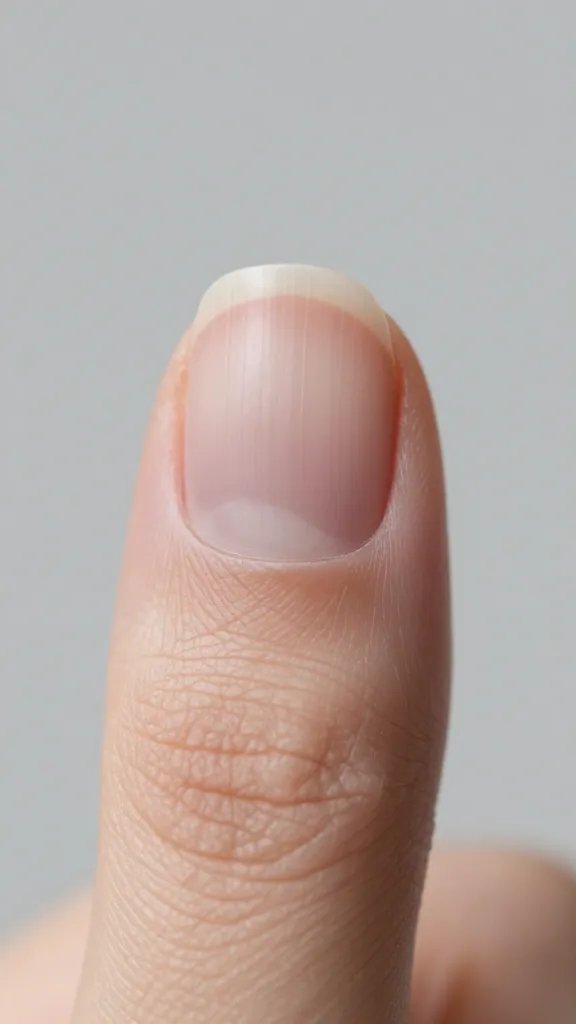
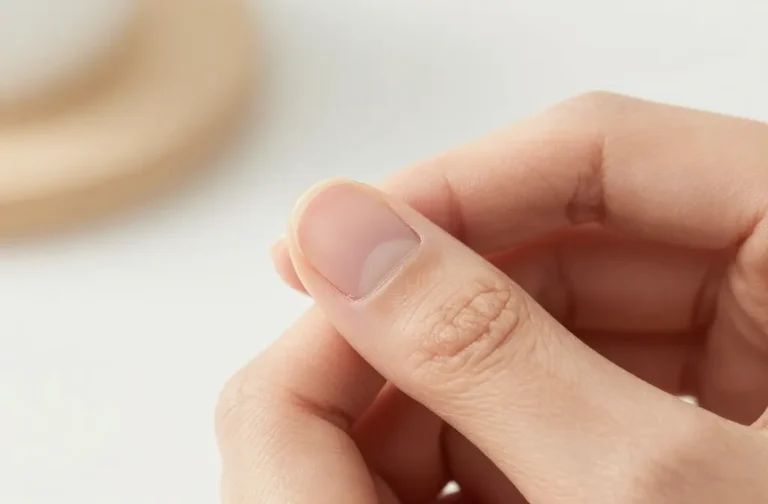
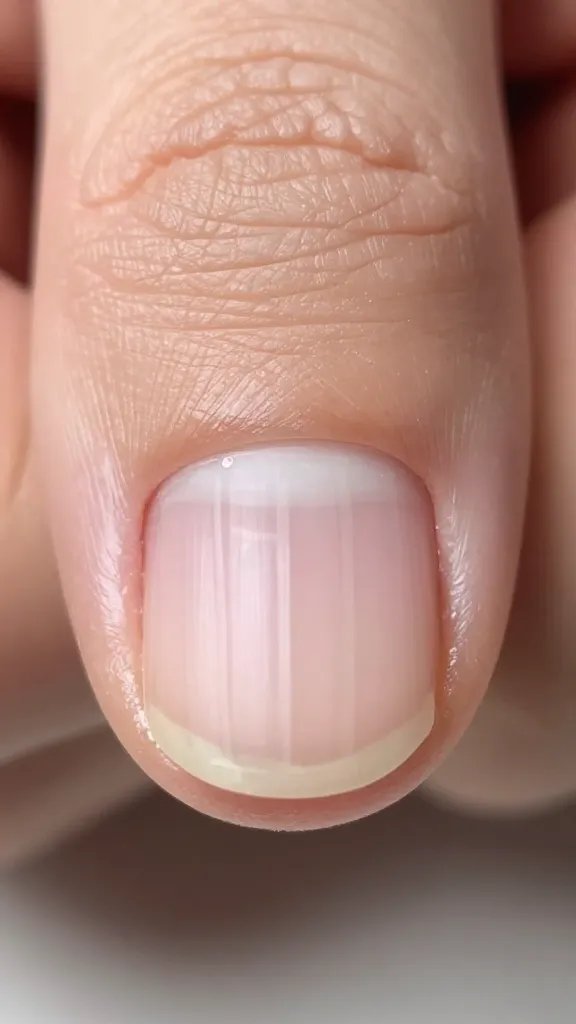
First things first, let’s understand what we’re dealing with. When we talk about nail ridges, we’re usually referring to two types: vertical and horizontal. Most people battling ridges are seeing the vertical kind – those lines that run from the cuticle to the tip of your nail. These are generally pretty harmless, though annoying as heck.
Horizontal ridges, on the other hand, are a different beast. They run across the nail, often appearing as a single, deep groove or a series of parallel lines. These can sometimes signal a more serious underlying issue, but we’ll get to that in a bit. For now, let’s focus on the common vertical culprits.
Vertical vs. Horizontal: A Quick Explainer
Think of your nail as a canvas. Vertical ridges are like faint brush strokes running top to bottom. They’re usually a sign of aging or dehydration. Horizontal ridges are more like a speed bump across the road, often caused by trauma, illness, or even medication. See the difference? Vertical is generally “meh,” horizontal can be “hmm, maybe check that out.”
Spoiler Alert: It’s Probably Not What You Think
Okay, so you’ve got vertical ridges. Your first thought might be, “Oh no, what deficiency do I have? Am I dying?” Relax, drama queen. While occasionally ridges can point to something more serious (we’ll cover that later), for 99% of us, they’re just part of the glorious aging process or a sign we need to drink more water.
The Usual Suspects
Most vertical ridges are simply a result of your nail matrix (the part under your cuticle where your nail grows from) becoming a little less efficient over time. Imagine an old printer that’s starting to leave faint lines on the paper – same vibe.
Here are the most common, totally benign reasons for vertical ridges:
- Aging: Yep, just like wrinkles on your skin, ridges appear on your nails. Thanks, time!
- Genetics: Some people are just predisposed to them. Blame your parents!
- Dehydration: Your nails are like sponges. If you’re not drinking enough water, they dry out and become less plump.
- Trauma to the Nail Matrix: Ever accidentally slam your finger in a door? Or aggressively push back your cuticles? That can temporarily mess with nail growth.
So, before you spiral into a Google symptom checker rabbit hole, consider these everyday culprits. IMO, they’re the most likely offenders.
Nourish Your Nails from the Inside Out
You can’t just slap a band-aid on your nails and expect miracles. True nail health, including getting rid of those ridges, starts from within. Think of your nails as an extension of your body – because they are!
Hydration is Your BFF
I cannot stress this enough: drink more water! Seriously. Your skin, hair, and nails all thrive on proper hydration. If you’re constantly dehydrated, your nails will show it, often with increased ridging and brittleness. Aim for at least 8 glasses a day, more if you’re active or it’s hot. Your body will thank you, and your nails will start to look smoother.
The Power of Biotin and Collagen
While a balanced diet is paramount (think plenty of fruits, veggies, lean protein, and healthy fats), some supplements can give your nails an extra boost.
- Biotin: This B vitamin is practically famous for its role in hair and nail health. It helps strengthen the keratin structure, which is what your nails are made of. Talk to your doctor before starting any new supplement, but many people find a daily biotin supplement (around 2.5 mg) makes a noticeable difference.
- Collagen: Another fantastic option. Collagen is a major building block for skin, hair, and nails. Adding a collagen supplement to your routine (I like the unflavored powder you can mix into coffee or smoothies) can improve overall nail strength and reduce ridging over time.
Remember, supplements aren’t magic pills; they work best in conjunction with a healthy lifestyle.
Hands-On Care: What You Can Do Externally
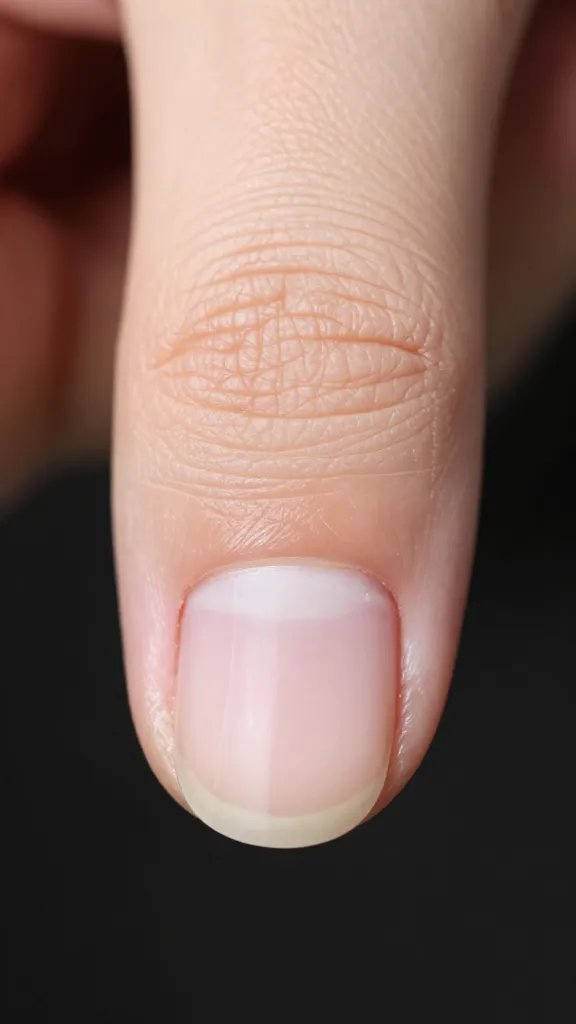
While internal nourishment is key, external care plays a huge role in improving the appearance and health of your nails. This is where you get to pamper yourself a bit!
The Art of Gentle Buffing
“Can I just buff them away?” is probably the most common question. The answer is yes, but with extreme caution. Aggressively buffing your nails can thin them out and make the problem worse.
- Choose the Right Buffer: Opt for a fine-grit buffer, not a coarse one.
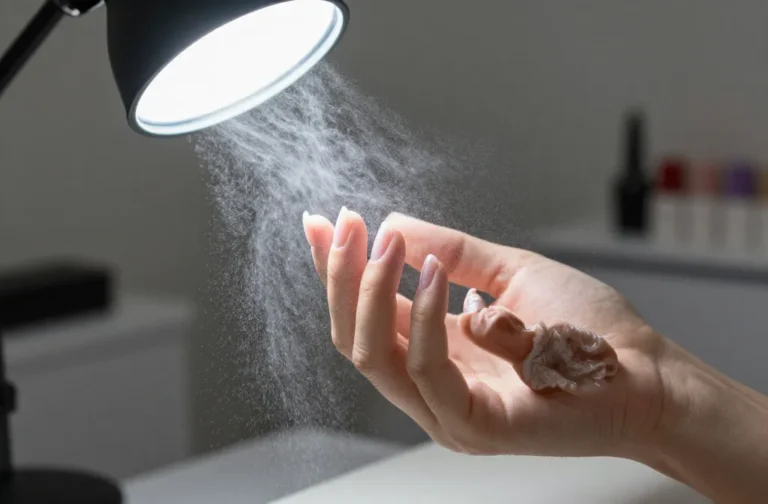
- Be Gentle: Lightly buff the surface of your nail *in one direction* (from cuticle to tip) to smooth out the peaks of the ridges. Don’t go crazy.
- Less is More: Only buffer once a month, or even less frequently if your nails are thin. The goal is to gently even out the surface, not remove layers of nail.
- Always Follow with Oil: After buffing, immediately apply a nourishing cuticle oil to replenish moisture.
Think of it like sanding a piece of wood – you want to smooth it, not destroy it.
Moisturize Like Your Life Depends On It
Just as your skin needs moisturizer, so do your nails and cuticles. Dry nails are brittle nails, and brittle nails are prone to ridges.
- Cuticle Oil is Your MVP: Invest in a good quality cuticle oil (jojoba oil, almond oil, or specific nail oils work wonders) and use it multiple times a day. Seriously, keep one by your desk, one by your bed, one in your purse.
- Hand Cream, All Day, Every Day: Every time you wash your hands, follow up with a rich hand cream, making sure to massage it into your nails and cuticles.
- Wear Gloves: When doing dishes, cleaning with harsh chemicals, or gardening, protect your hands with gloves. Exposure to water and chemicals strips your nails of their natural oils.
This step is non-negotiable, FYI. Hydration is everything.
When to Call in the Big Guns (aka Your Doctor)
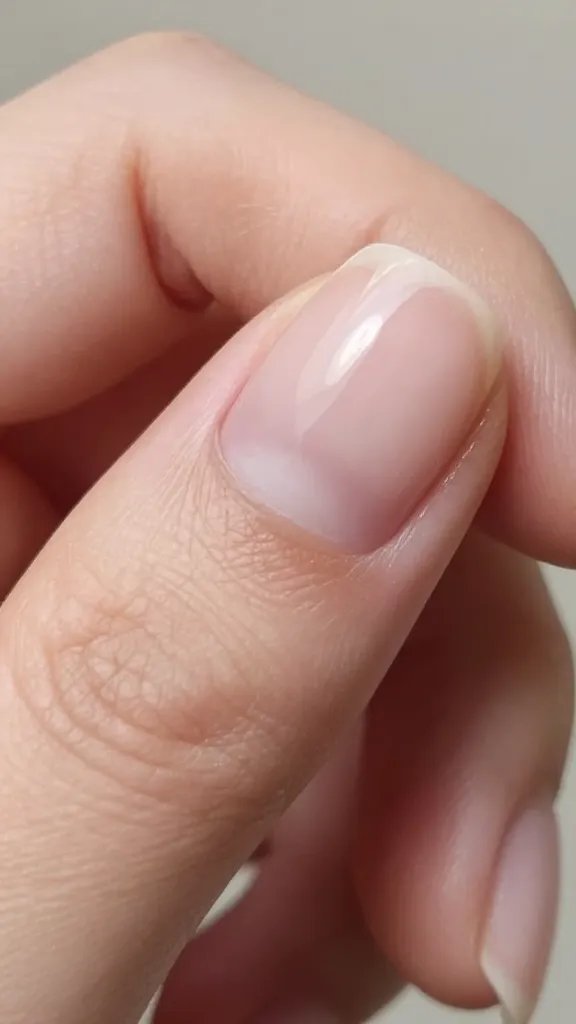
Okay, we’ve mostly talked about the benign stuff. But what if your ridges are horizontal, deep, or accompanied by other symptoms? This is when you should consult a professional.
If you notice any of the following, it’s time for a chat with your doctor or a dermatologist:
- Deep horizontal ridges (Beau’s lines): These can indicate a past illness, severe stress, or even certain medications.
- Discoloration: Yellow, blue, or black spots or streaks under the nail.
- Nail separation: When the nail lifts from the nail bed.
- Pitting or crumbling: Small dents or a rough, crumbly texture.
- Swelling or pain around the nail.
Don’t panic, but don’t ignore these signs either. It’s always better to get a professional opinion if you’re concerned.
Patience, My Friend, Patience
Here’s the hard truth: nails grow slowly. Like, really slowly. It takes about 4-6 months for a fingernail to grow from cuticle to tip. This means any changes you implement today won’t show up on your nail tips for several months.
So, don’t get discouraged if you don’t see immediate results. Consistency is your secret weapon. Keep up with your hydration, nutrition, and external care, and eventually, you’ll start seeing smoother, healthier nails emerge. It’s a marathon, not a sprint, but the finish line is beautiful, ridge-free nails.
FAQ Section
Can I just buff them away completely?
You can temporarily smooth the appearance of ridges with gentle buffing, but you can’t “buff them away” completely without severely thinning and damaging your nails. The ridge originates from the nail matrix, so it will continue to grow out until the underlying cause is addressed. Always buff gently and infrequently.
Do nail strengtheners help with ridges?
Some nail strengtheners can help improve the overall strength and resilience of your nails, which might indirectly make ridges less noticeable if they’re related to brittleness. However, they don’t directly “fix” the cause of ridges, especially those related to aging or genetics. Focus more on internal health and external hydration.
Are clear nail polishes good for hiding ridges?
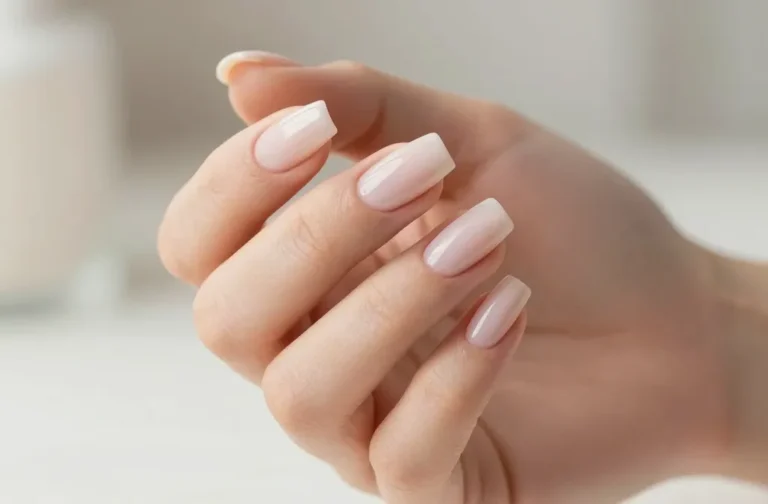
Ridge-filling base coats are excellent for creating a smoother surface before applying colored polish. They contain fine particles that fill in the grooves, making your nail appear much more even. While they don’t treat the ridges, they certainly help with the aesthetic.
How long does it take to see improvement?
Because fingernails grow slowly, you should expect to wait anywhere from 3 to 6 months to see significant improvement. Toenails take even longer, up to 12-18 months. Consistency with your new routine is key, and patience is a virtue here!
Is it true that ridges mean a vitamin deficiency?
While severe vitamin deficiencies (like iron deficiency anemia or certain B vitamin deficiencies) *can* sometimes manifest in nail changes (including ridging or brittleness), vertical ridges are far more commonly a sign of normal aging or dehydration. It’s not usually the first indicator of a deficiency unless accompanied by other symptoms. A balanced diet and good hydration are your best bets.
Conclusion
Getting rid of those frustrating fingernail ridges isn’t some mystical quest; it’s a journey of consistent care, hydration, and a little bit of patience. By understanding what causes them, nourishing your body from the inside out, and giving your nails some external love, you absolutely can achieve those smooth, envy-worthy nails. So, go forth, hydrate, moisturize, and wave goodbye to those pesky lines! Your nails (and your polish!) will thank you.