Busted! Do Nails Need to Breathe Between Manicures?
Does your nail actually gasp for air under that fabulous gel manicure? Is it suffocating, desperately trying to catch a breath beneath layers of glitter and topcoat? The idea that our nails need to “breathe” between manicures is a persistent rumor, whispered in salons and debated among friends. Let’s peel back the layers (pun intended!) and get to the bottom of this nail-care conundrum.
The Great Nail Breathing Myth: What Are We Even Talking About?
When we talk about nails “breathing,” what do we really mean? Most people picture their nails as tiny lungs, absorbing oxygen from the air around them. They imagine a nail gasping for relief after weeks under a shellac fortress, turning yellow or brittle from lack of “air.” It’s a compelling visual, sure, but it’s also, well, not quite how biology works.
Your nails aren’t living, breathing organisms in the way your skin or lungs are. They are, in fact, dead. Yep, you heard me right. The part of your nail plate that you paint, file, and admire is composed of layers of dead keratinized cells. Think of it like your hair – it doesn’t “breathe” either, does it?
Where Nails Get Their Goodies
So, if they’re dead, how do they stay healthy? Your nails get all their nutrients, oxygen, and hydration from your body’s bloodstream, specifically through the nail matrix, which is located under your cuticle. This is the living part of your nail, constantly producing new cells that push the old, dead cells forward to form the nail plate. So, whether your nails are sporting a vibrant neon or completely bare, they’re getting everything they need from the inside out. External air contact is, frankly, irrelevant to their health.
Your Nails Aren’t Lungs, FYI
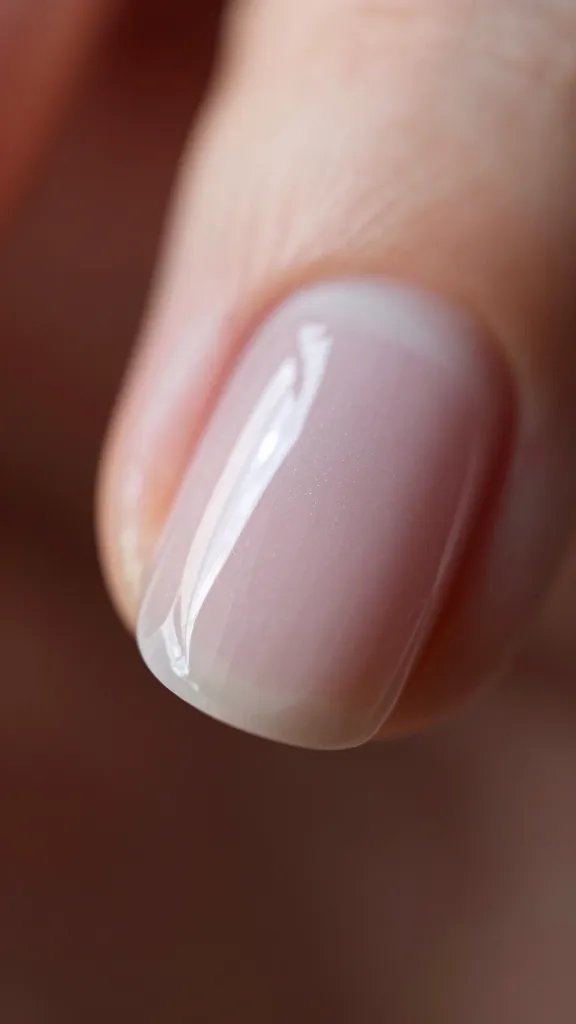
Let’s be super clear: your nails do not have lungs, gills, or any other respiratory system. They don’t absorb oxygen from the air around them. The concept of “breathing” for nails is a complete myth, albeit a very popular one.
Think about it: if nails needed to breathe, how would anyone wear polish for more than a day without serious damage? And what about those poor toenails stuck in shoes all day? They’d be in a constant state of oxygen deprivation! The truth is, the nail plate is a protective barrier, not a porous sponge designed to absorb anything from the atmosphere.
So Why Do My Nails Look Like a Hot Mess After a Manicure?
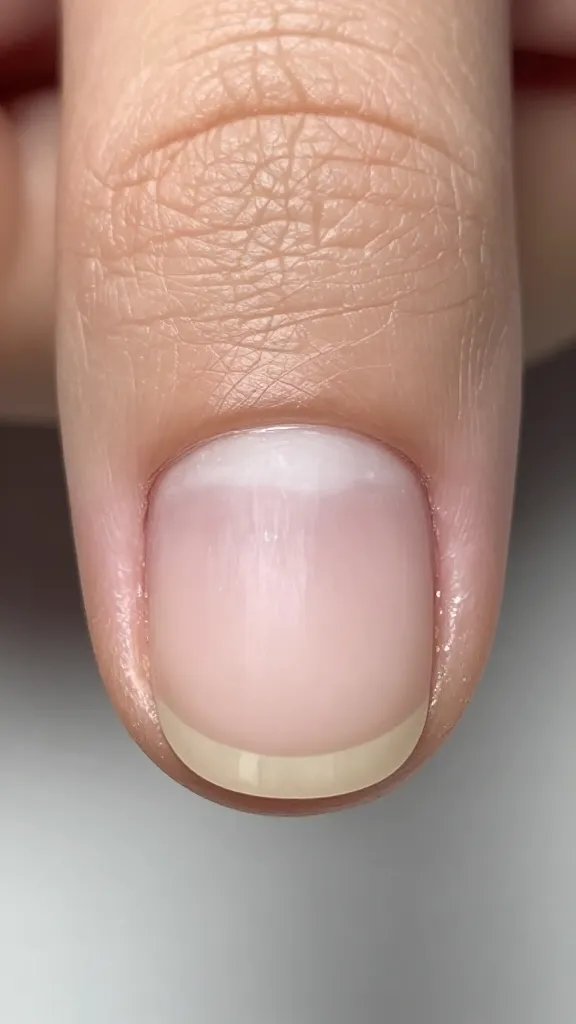
Ah, *this* is where the “breathing” myth really takes hold. You’ve just had a gorgeous gel mani for weeks, you take it off, and suddenly your nails are peeling, thin, and look like they’ve been through a war. It’s easy to blame the polish for suffocating them, right? Wrong. The damage isn’t from suffocation; it’s almost always from one of these culprits:
Over-filing and Aggressive Prep
This is probably the biggest offender. Before applying gel or acrylic, your nail tech often buffs the surface of your nail to create a rough texture for the product to adhere to. If they’re too aggressive, they can remove layers of your natural nail, making it thinner and weaker. This isn’t your nail gasping for air; it’s literally been filed down.
Improper Removal
Ever peeled off your gel polish because you were impatient? Guilty as charged, IMO. Peeling, prying, or using too much force during removal is a surefire way to rip off layers of your natural nail along with the polish. This directly causes peeling, splitting, and overall weakness. Even improper soaking (not long enough, or using the wrong products) can lead to damage because you end up scraping off stubborn bits.
Dehydration, Not Suffocation
While polish doesn’t block oxygen, it can prevent moisture from easily reaching the nail plate from the outside. Consistent polish wear, especially without proper cuticle oil application, can lead to dehydration. Dehydrated nails become brittle, prone to breaking, and can peel – symptoms often mistaken for “suffocation.”
The *Real* Reasons to Take a Manicure Break (It’s Not About Air)
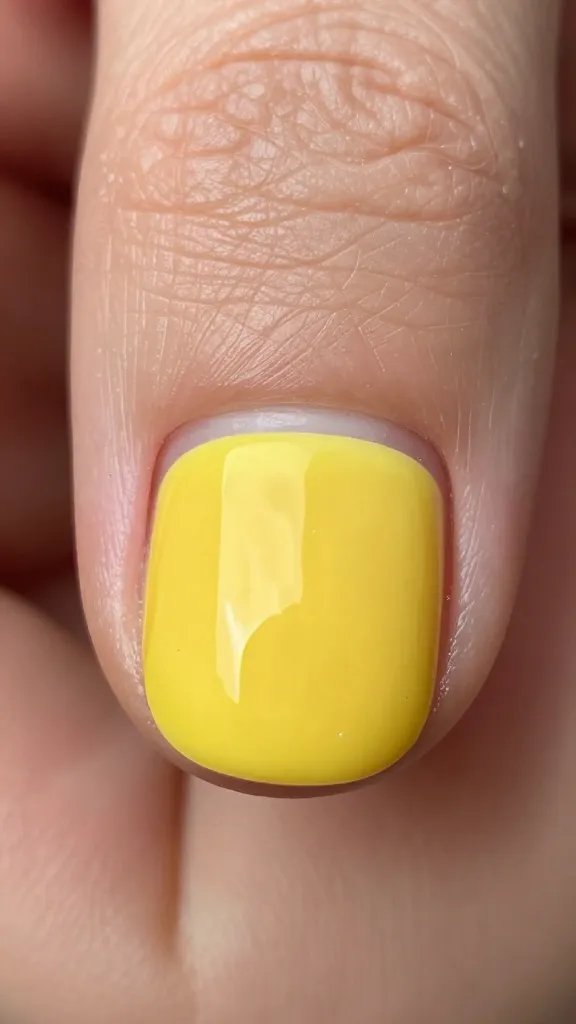
Okay, so nails don’t breathe. Does that mean you should never take a break from polish? Absolutely not! Taking a break is still a fantastic idea, but for reasons that have nothing to do with oxygen intake.
* Repair and Recovery: If your nails have suffered damage from aggressive filing or improper removal, a break gives them time to grow out the damaged layers and recover their natural strength.
* Rehydration Station: A polish-free period is the perfect opportunity to drench your nails in moisture. Slather on cuticle oil, hand cream, and even a dedicated nail treatment. This helps combat dehydration that can occur from continuous polish use.
* Observe Nail Health: Going bare allows you to really see what’s going on with your nails. Are there any new discolorations, ridges, or unusual textures? Polish can mask underlying issues, so a break gives you a chance to spot potential problems early.
* Prevent Staining: Some darker polishes can temporarily stain your nails yellow, especially without a good base coat. A break lets these stains fade naturally.
Nail TLC Between Polish Sessions: Your Recovery Plan
So, you’ve decided to give your nails a breather (from polish, not air!). Here’s your mission, should you choose to accept it:
- Moisturize Like Your Life Depends On It: This is the #1 rule. Invest in a good cuticle oil and use it multiple times a day. Massage it into your cuticles and the entire nail plate. Follow up with a rich hand cream. Hydration is key to preventing brittleness and promoting flexibility.
- Gentle Buffing (If Needed): If your nails are a bit ridged or uneven, a *very* light buffing with a fine-grit buffer can smooth the surface. But be gentle! We’re talking minimal effort here, just to refine, not to remove layers.
- Nail Strengtheners (Use Wisely): If your nails are feeling particularly weak, a nail strengthener can offer a temporary boost. Look for formaldehyde-free options. Just remember, strengtheners won’t fix underlying damage, but they can provide a protective coating while new, healthy nail grows out.
- Protection is Key: Wear gloves when doing dishes, cleaning with harsh chemicals, or gardening. Water and chemicals are super drying and can further weaken compromised nails.
When “Taking a Break” Becomes a Must
While regular breaks are good practice, sometimes your nails scream for one. Pay attention to these signs:
* Excessive Peeling or Splitting: If your nails are peeling in layers or splitting horizontally, they need a break and some serious TLC.
* Persistent Thinness: If they feel unusually thin and bendy even after a few days without polish, it’s time for a longer break.
* Discoloration or White Spots: While some discoloration can be staining, persistent or unusual colors (green, black, dark yellow) could indicate an infection and warrant a doctor’s visit. White spots might just be minor trauma, but keeping an eye on them is smart.
* Pain or Tenderness: Any pain around the nail bed or cuticle is a red flag. Stop all polish use and consult a professional.
FAQ Section
How long should a nail break be?
There’s no hard and fast rule, but if you’re trying to recover from damage, aim for at least 2-4 weeks. This allows some of the damaged nail to grow out. If your nails are generally healthy, even a few days between manicures can be beneficial for rehydration.
Does gel polish damage nails more than regular polish?
Not inherently. Gel polish itself doesn’t cause damage. The culprits are almost always improper application (over-filing) and, more commonly, improper removal (peeling, scraping). When applied and removed correctly by a skilled technician, gel polish can actually help protect your natural nails.
What’s the best way to remove polish to minimize damage?
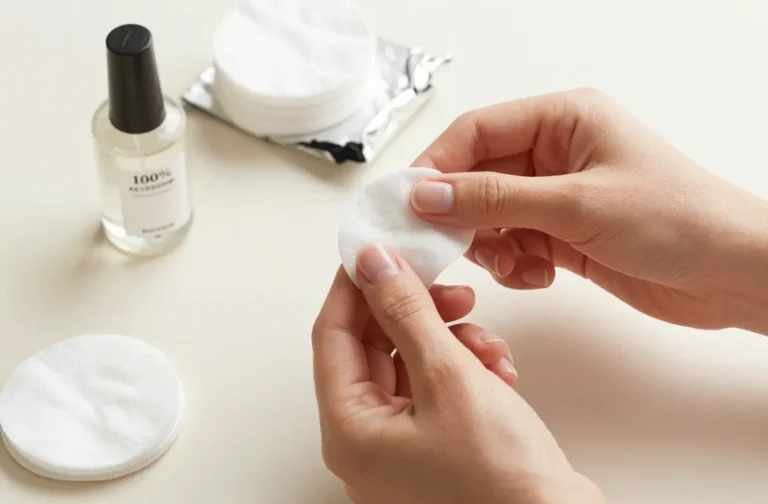
For regular polish, use an acetone-free remover and gently wipe. For gel polish, use the foil-wrap method with 100% acetone. Ensure the gel is fully dissolved before gently pushing it off with an orange wood stick. Never peel or force it!
Can nail strengtheners help?
Yes, they can! Nail strengtheners create a protective layer over your nail, making it less prone to bending and breaking. However, they don’t “heal” damaged nails. They simply provide a temporary shield while your natural nail grows out. Use them as directed, and avoid over-reliance.
What if my nails are discolored?
If your nails are yellow from dark polish, a break should help them return to normal. If you notice green, black, or persistent dark spots, or if the discoloration is accompanied by pain or swelling, it’s best to consult a doctor or dermatologist, as it could be a sign of an infection or other issue.
The Takeaway: Nurture, Don’t Suffocate
So, there you have it. Your nails aren’t gasping for air under your favorite shade of red. The whole “breathing” thing is a myth. But that doesn’t mean you should neglect them! The real health of your nails comes from proper care, gentle techniques, and consistent hydration. Treat them kindly, give them a break from polish when they’re looking a bit worse for wear, and they’ll continue to be the fabulous accessories you love to show off. Happy manicuring, friends!