How to choose the right hair brush?
You know that one brush you’ve had forever that kind of works… until it doesn’t? The one that either snags your hair or turns your blowout into a frizz-fest? Let’s fix that. The right brush can change your hair game—less breakage, more shine, better styling with less effort. You don’t need a drawer full of tools. You just need the right ones for your hair and how you style it.
Start with your hair type (don’t skip this)
You wouldn’t wear the same shoes for hiking and a wedding, right? Same logic with brushes. Hair texture and goals matter more than brand hype.
- Fine or thin hair: Go soft and gentle. Boar bristle or soft mixed bristle keeps volume without ripping out strands.
- Medium hair: Lucky you. You can do boar, nylon, or combo bristles. Choose based on styling (smoothing vs. detangling).
- Thick or coarse hair: Look for sturdy nylon or detangling bristles with flexible tips. You need grip and separation.
- Curly or coily hair: Use wide-tooth combs or detangling brushes on wet, conditioned hair. For definition, try a Denman-style brush. For stretch and shine, use a paddle brush with flexible pins when blow-drying.
- Wavy hair: Detangle in the shower, then avoid brushing dry if you want definition. Use a wide-tooth comb or fingers to maintain wave pattern.
Match the brush to the job
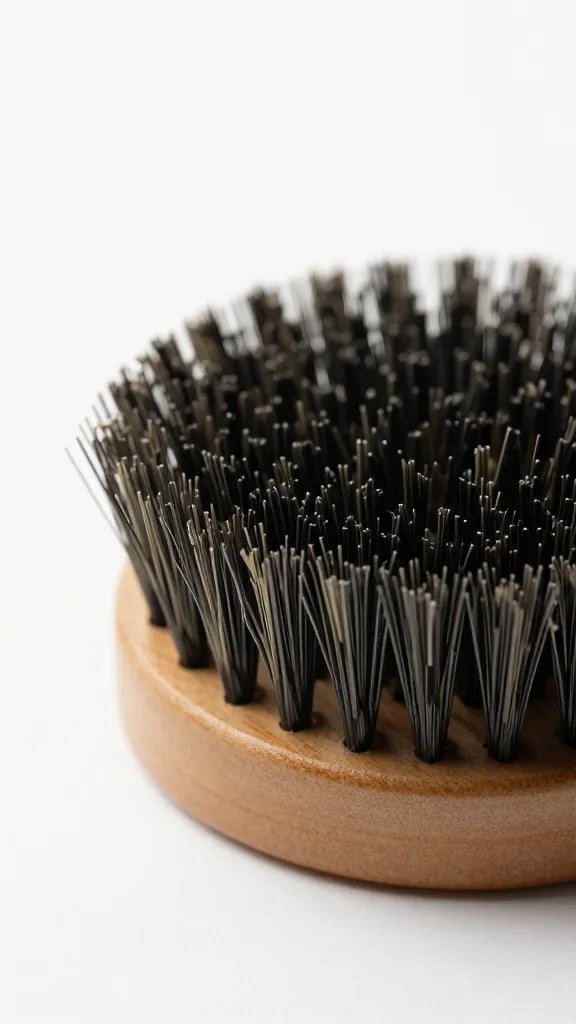
Every brush has a “thing” it does best. You’ll get better results (and less swearing) if you use the right one at the right time.
- Paddle brush: Great for everyday smoothing and quick blow-drying straight. Covers a lot of ground fast.
- Round brush: Adds volume and curl during blowouts. Ceramic barrels speed up drying; boar bristle gives polish and shine.
- Vent brush: Speeds up drying on busy mornings. Minimal tension, just airflow and lift.
- Detangling brush: Flexible bristles for wet hair. Start at the ends, work up. Your split ends will thank you.
- Teasing brush/comb: Adds controlled volume at the roots. Use sparingly so you don’t create a bird’s nest.
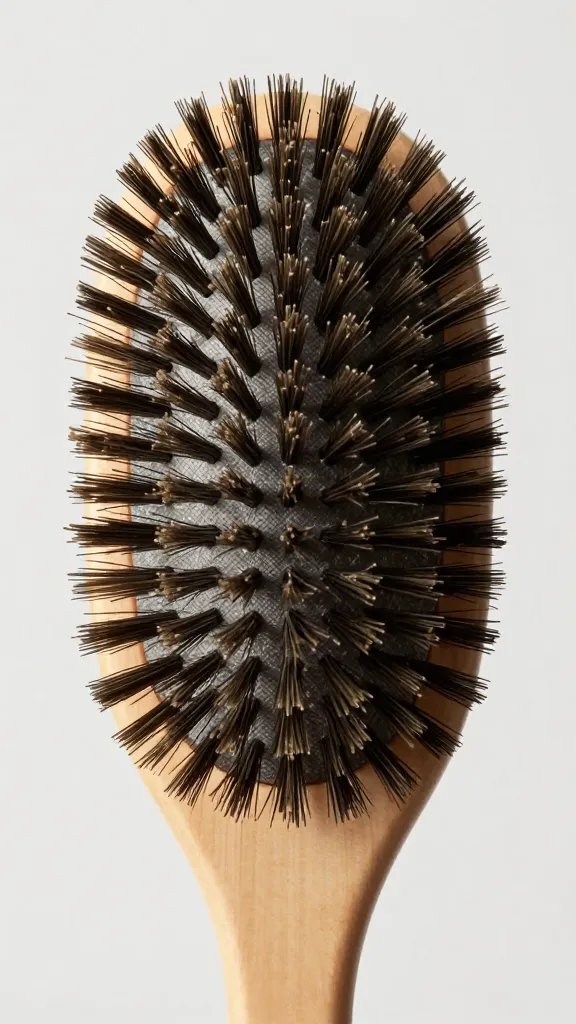
- Boar bristle brush: Distributes oils from scalp to ends for shine. Not for detangling—think finishing and smoothing.
Quick combos that work
- Fine, flat hair: Vent brush for quick dry + small ceramic round for lift + boar bristle to finish.
- Thick, frizzy hair: Detangling brush in the shower + large mixed-bristle round for smoothing.
- Curly/coily hair: Wide-tooth comb + Denman-style brush for defining clumps + diffuser (not a brush, but essential).
Bristles 101: choose your texture
Bristles get confusing, so here’s the tea. The bristle type controls tension, shine, and snag potential.
- Boar bristle: Natural, gentle, adds shine by moving oils. Best for smoothing and finishing. Not great for detangling thick knots.
- Nylon: Strong, slick, and can penetrate dense hair. Good for detangling and blowouts on thick or coarse hair.
- Mixed (boar + nylon): The best of both: polish + grip. Great for most hair types during styling.
- Flexible detangling bristles: Multiple lengths reduce breakage on wet hair. Perfect for kids or tender scalps.
- Ball-tipped pins: Comfortable on the scalp, but make sure the tips are smooth. Rough tips = little scalp daggers. Hard pass.
Scalp health matters
A brush that gently stimulates your scalp can boost circulation and help with oil distribution. Boar bristle or soft-tipped nylon works best. If your scalp feels sore after brushing, the bristles are too stiff or you’re using too much force. Don’t fight your head. It wins.
Shape and size: round, paddle, oval—what’s the difference?
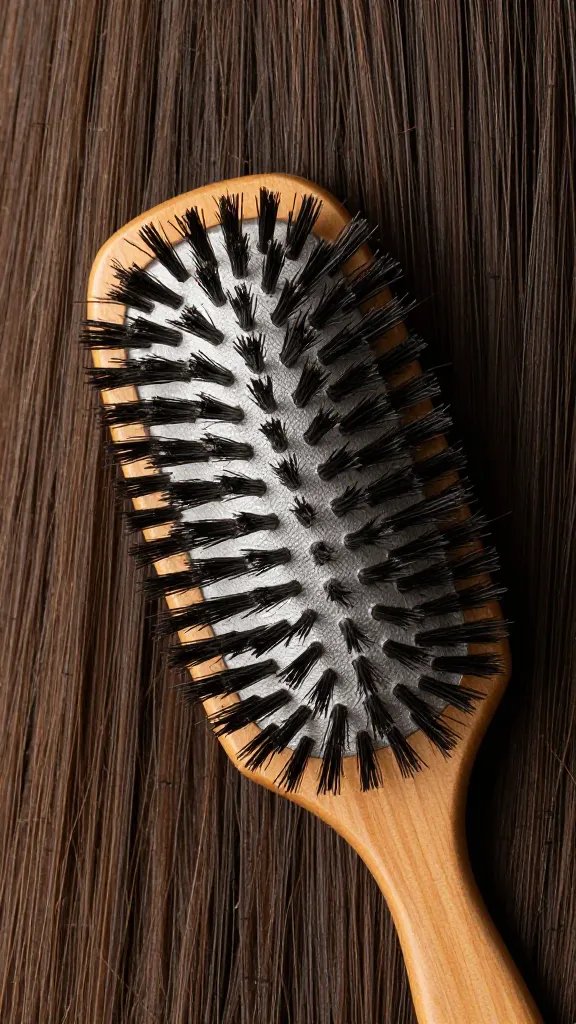
Brush shape changes the styling result more than most people realize.
- Paddle: Flat and wide. Ideal for straight styles and long hair. Fast drying, minimal curve.
- Oval: Similar to paddle, but better for everyday brushing and adding slight bend at the ends.
- Round: Volume and curl city. Choose barrel size based on hair length and curl size.
Round brush sizing guide
- Short hair or bangs: 1–1.25 inch barrel.
- Medium length: 1.5–2 inches.
- Long hair: 2–3 inches for smooth volume, smaller for tighter bends.
Material and heat: don’t fry your hair
Blow-drying and heat styling? Your brush needs to handle it. Otherwise you’ll get melted bristles and a bad mood.
- Ceramic barrels: Even heat distribution, faster dry time. Great for smooth blowouts.
- Metal barrels: Heat up fast—powerful but easy to overdo. Use with care.
- Wood handles: Comfortable, durable, and don’t heat up like metal. A nice, classic pick.
- Vented designs: Maximize airflow if you’re always in a rush. FYI: less tension compared to round brushes.
Heat safety tips
- Keep the dryer moving. Don’t park it on one spot unless “crispy ends” is the look.
- Use medium heat for fine hair and higher heat for thicker hair, then finish with a cool shot to set.
- Always use a heat protectant. Yes, always. IMO it’s non-negotiable.
Ergonomics: your wrists deserve love
If a brush hurts to hold, you won’t use it right. Check the handle grip, weight, and how your wrist feels after a few minutes.
- Lightweight brushes help with long blowouts.
- Non-slip handles prevent accidental face-smacks. We’ve all been there.
- Balanced weight makes round-brushing easier and smoother.
Maintenance: keep it clean and it’ll treat you right
Brushes collect hair, oil, product, and mystery lint. Clean them and your hair will behave better.
- Remove hair after every few uses. Use a comb or your fingers.
- Wash monthly with lukewarm water and a drop of shampoo. Swirl, rinse, air-dry bristle-side down.
- Avoid soaking wood and keep boar bristles away from harsh detergents.
- Replace if bristles bend, melt, or scratch your scalp. Brushes are not immortal.
Build your minimal brush wardrobe
You don’t need eight brushes. You need a small, smart lineup.
- Detangler or wide-tooth comb: For wet hair and gentle knots.
- Everyday brush: Paddle or oval for smoothing and distributing oils.
- Styling brush: Round brush (ceramic or mixed bristle) for blowouts and volume.
- Optional: Boar bristle for shine and finishing, teasing brush for special-occasion volume.
Budget vs. splurge
You can find solid brushes at any price. Splurge on mixed-bristle round brushes or high-quality boar bristle if you style often. Budget detanglers and vent brushes work great. If a brush pulls or squeaks (yes, that happens), it’s not worth it—even if it’s fancy.
FAQs
Can I use the same brush on wet and dry hair?
You can, but choose the right type. Use a detangling brush or wide-tooth comb on wet hair to avoid breakage. Save boar bristle and most round brushes for dry or nearly dry styling. Wet hair stretches and snaps easily—handle with care.
What size round brush should I use for a smooth blowout?
Go bigger for smoothness, smaller for curl. For shoulder-length hair, try 1.5–2 inches. For long hair, go 2–3 inches to get sleek volume without kinks. Bangs or short layers love 1–1.25 inches.
Is boar bristle worth it?
If you want shine and a polished finish, yes. Boar bristle moves scalp oils through your lengths, which adds gloss and reduces frizz. It won’t detangle dense hair, so pair it with a nylon or detangling brush. IMO a mixed-bristle brush is the best of both worlds for daily use.
How often should I clean my hairbrush?
Remove hair weekly and wash it about once a month. If you use lots of product, clean every two weeks. Dirty brushes redeposit oil and buildup, which can make your hair look greasy even when it’s freshly washed. Not the vibe.
Which brush is best for curly hair?
For curls, detangle in the shower with conditioner using a wide-tooth comb or flexible detangler. For definition, a Denman-style brush clumps curls beautifully. Avoid brushing curls dry unless you want volume over definition—then use a wide paddle and go big.
Do expensive brushes actually last longer?
Often, yes. Higher-quality bristles and sturdy barrels handle heat better and keep their shape. But some budget brushes punch above their weight. Check for smooth tips, even bristle rows, solid handles, and no snag points. If it feels good and treats your hair kindly, it’s a win.
Conclusion
Choosing the right brush isn’t complicated—you just need to match hair type, styling goal, bristle type, and shape. Build a simple kit that covers detangling, everyday smoothing, and the styling you actually do. Clean them, treat them gently, and your hair will return the favor. FYI: the best brush is the one you’ll use without swearing.